
Il diario di cucina
Istinti migliori per la cucina di tutti i giorni.
Comprendi un ingrediente, salva una salsa o pianifica la cena successiva. Guide pratiche per le piccole decisioni che migliorano il risultato dei tuoi piatti.
Meal plans fail by Wednesday. This one plans 3 dinners, not 7: a repertoire list, a cook-twice plan, and an aisle-organized shopping list. Ten minutes a week.
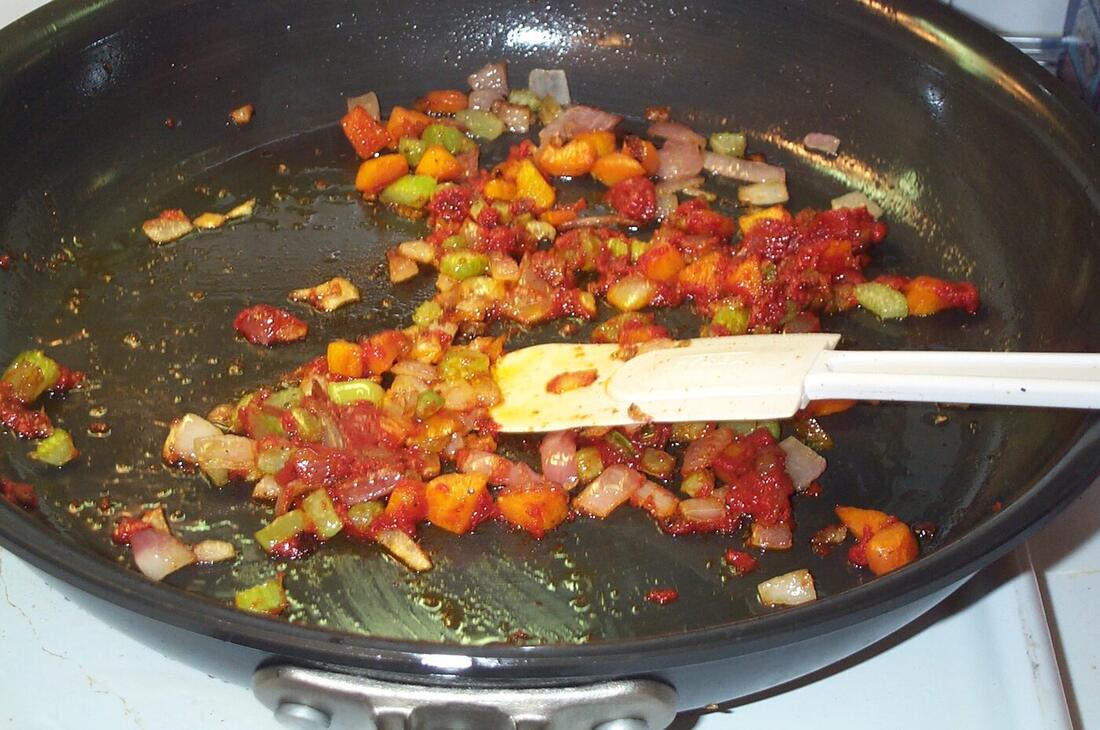
Watery, pale roasted vegetables come from three mistakes: too-low heat, wet surfaces, and a crowded pan. The exact method for caramelized edges every time.
Melted butter ruins creamed batters; cold butter won't cream. Here's the exact 65-68°F target, why it matters, and five reliable ways to get there.
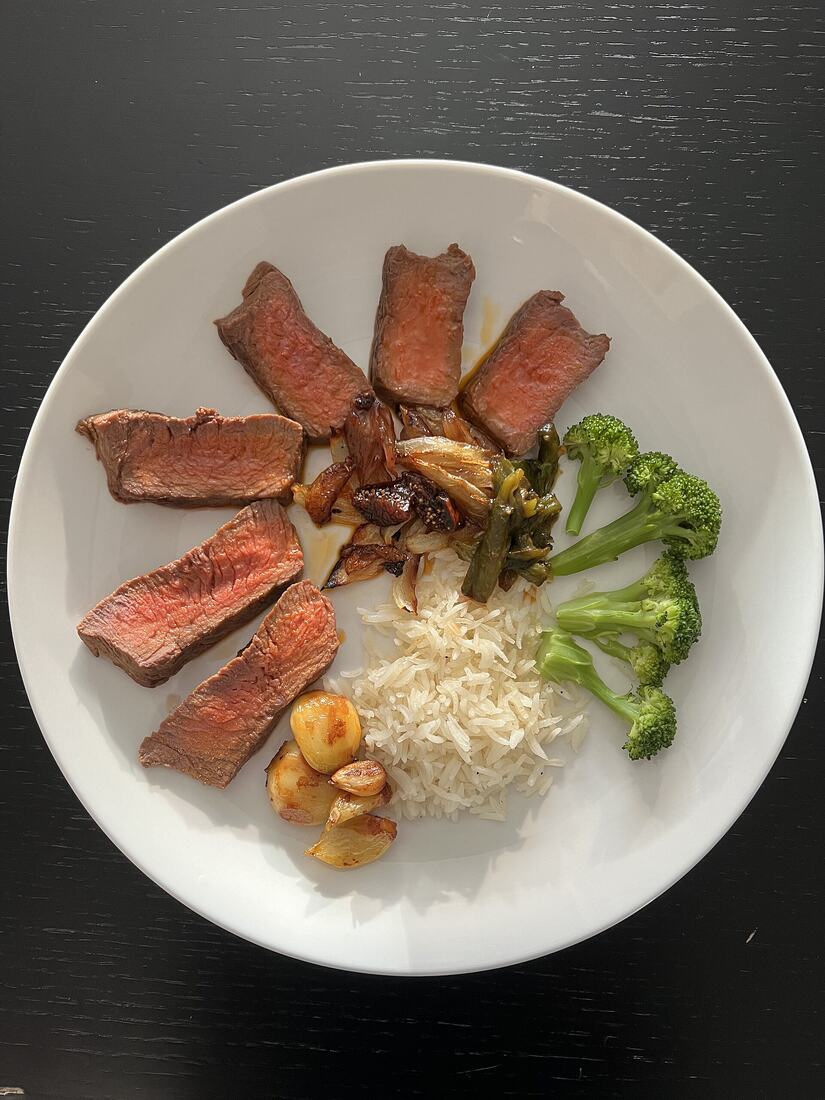
Il banco della carne decodificato: cosa significano le categorie e le etichette, come ispezionare un taglio e i tagli di valore che molti cuochi trascurano (e come cucinarli).
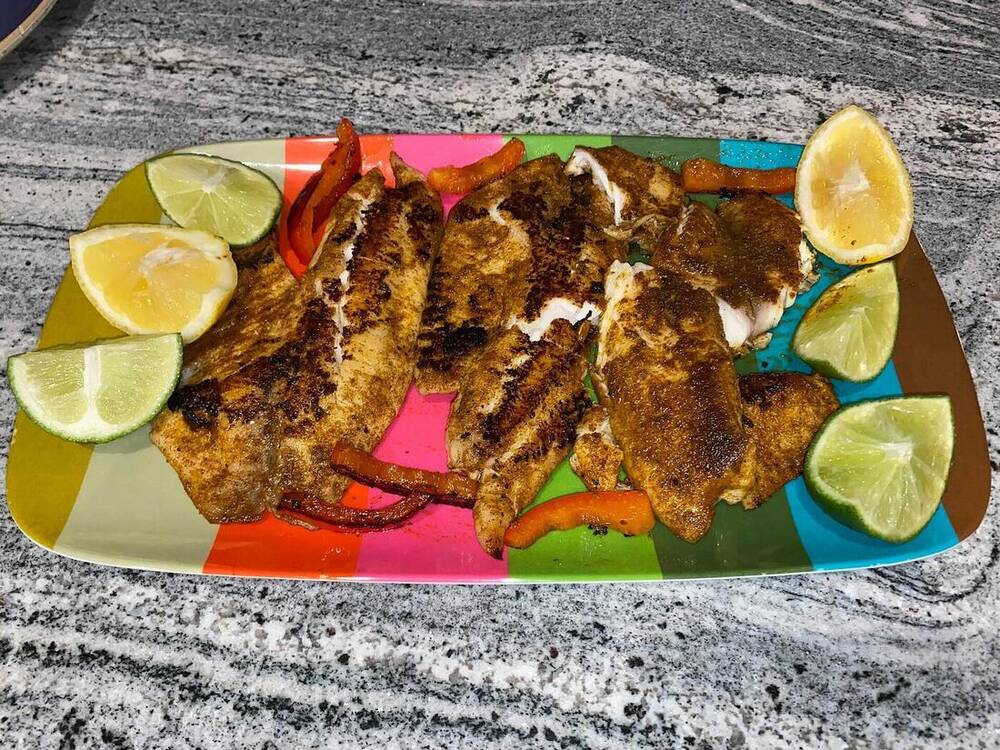
Marinades barely penetrate meat — salt does, acid doesn't. Here's what actually happens, realistic times per cut, and when to dry-brine instead.
Il pollo secco è pollo cotto troppo. Togli i petti a 160°F, lasciali riposare 5-10 minuti e dai una mano alla carne magra. Ecco i numeri e i metodi.
Quinoa, farro, orzo, bulgur, miglio e polenta: rapporti esatti di acqua, tempi e trucchi specifici per ogni cereale per renderli sempre affidabili.
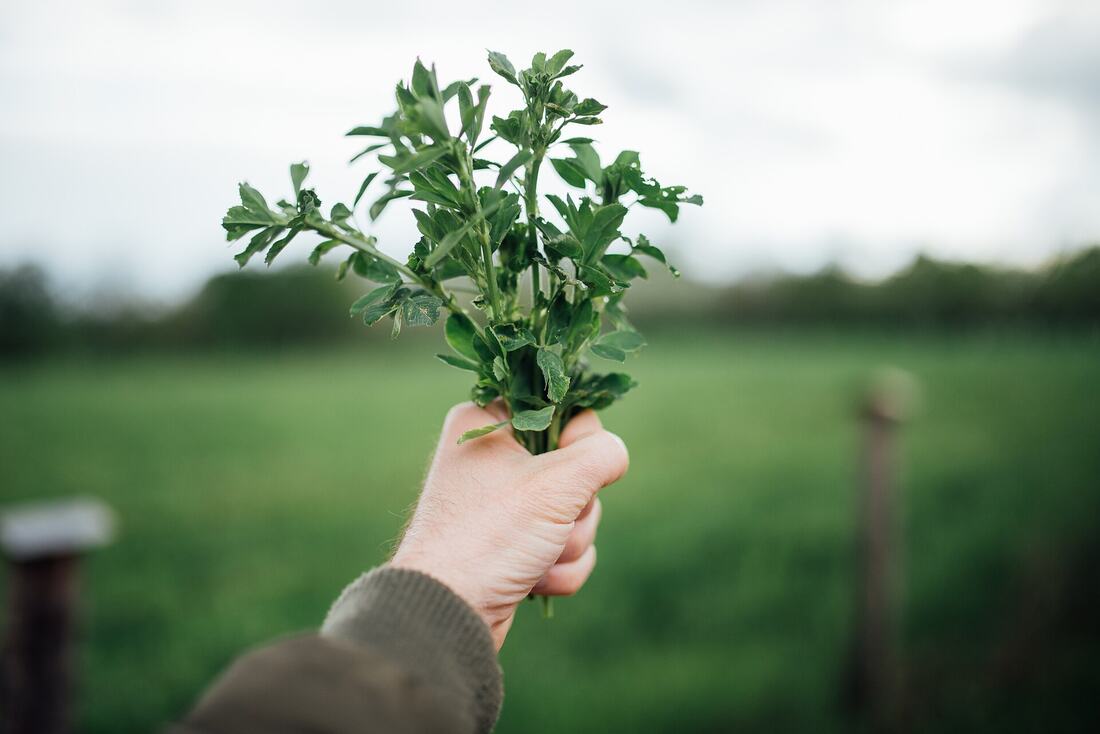
Add rosemary too late and it's woody; add basil too early and it's gone. The hard-herb vs soft-herb rule tells you exactly when each belongs in the pot — and on the plate.
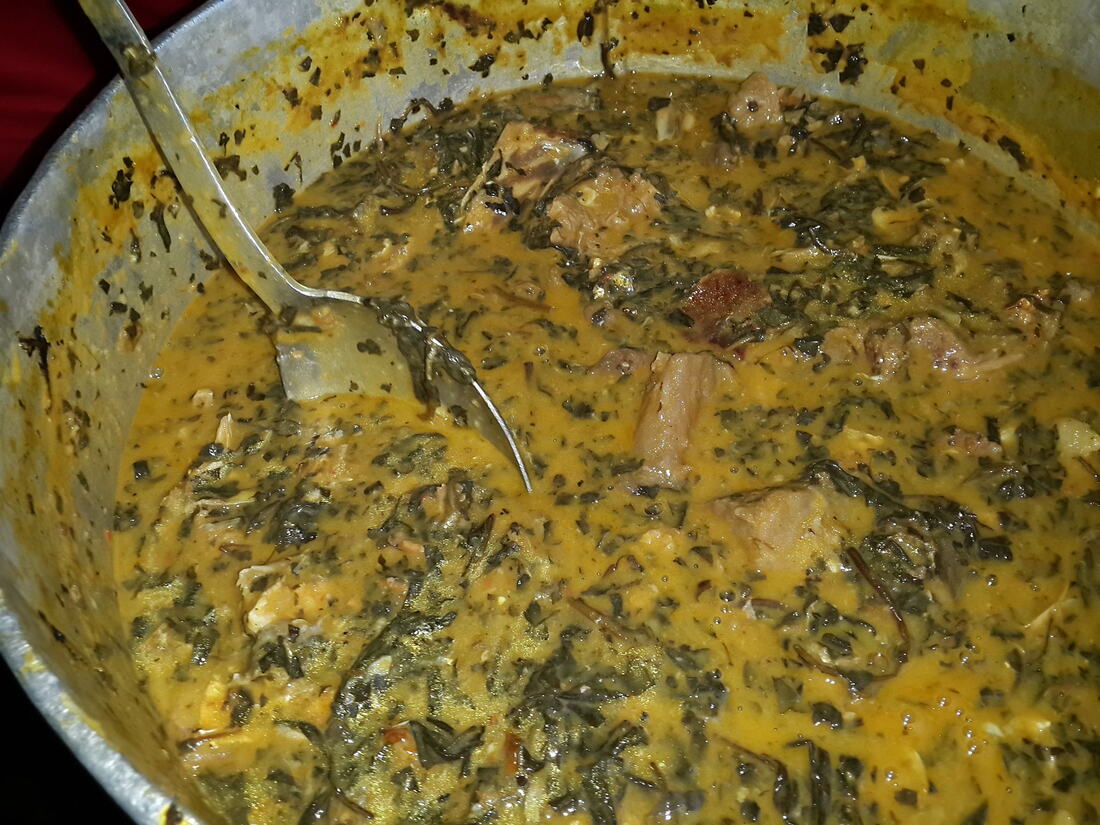
Stock and broth look alike but behave differently in the kitchen. Here's the real difference — bones vs meat, gelatin, and when each one is the better choice.
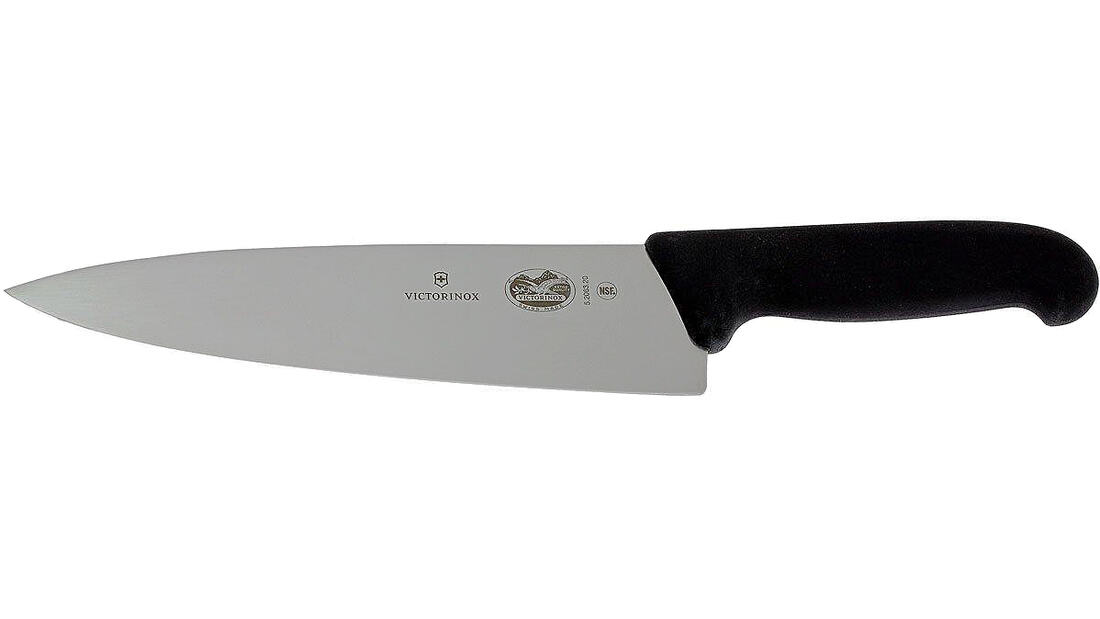
A dull knife is dangerous because it slips. Here's the practical difference between honing and sharpening, how often to do each, and how to store an edge so it lasts.
Preferisci una raccolta di ricette pubblicata? Il libro di cucina è un acquisto separato su Gumroad, al di fuori di Premium.
Acquista il ricettario