
The kitchen journal
Better instincts for everyday cooking.
Understand an ingredient, rescue a sauce or plan the next dinner. Practical guides to the small decisions that make food turn out better.
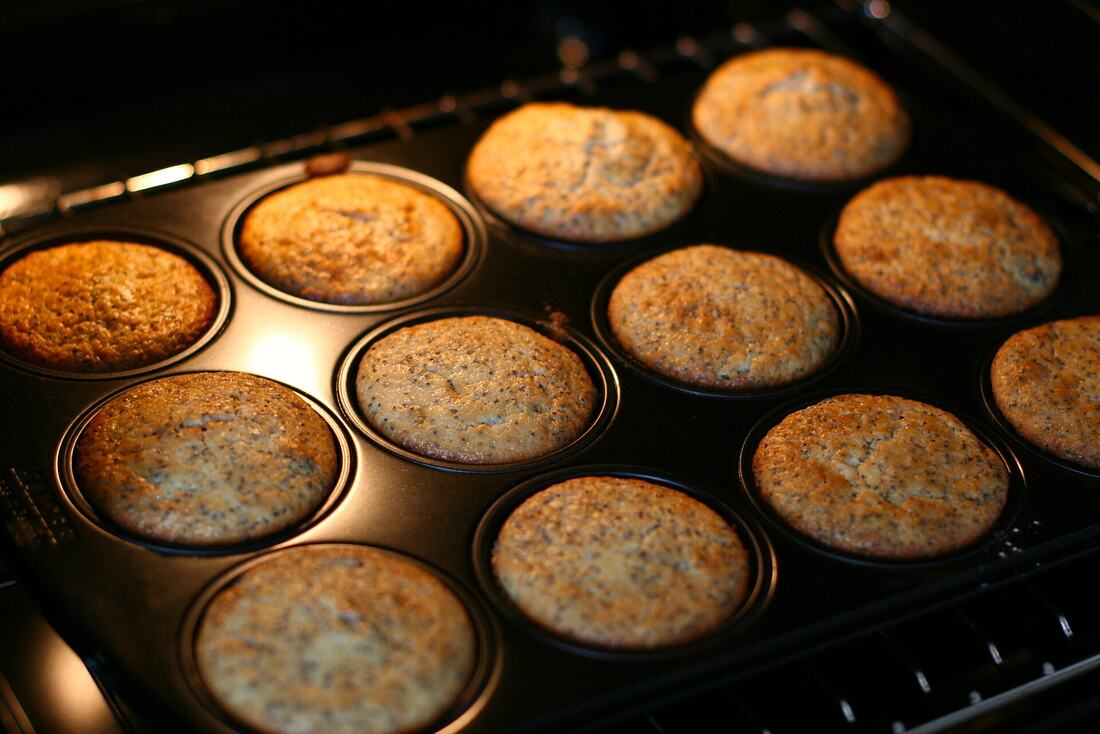
Mix up baking soda and baking powder and your bake is flat, metallic, or bitter. Here's the real difference, when each is needed, and why some recipes use both.
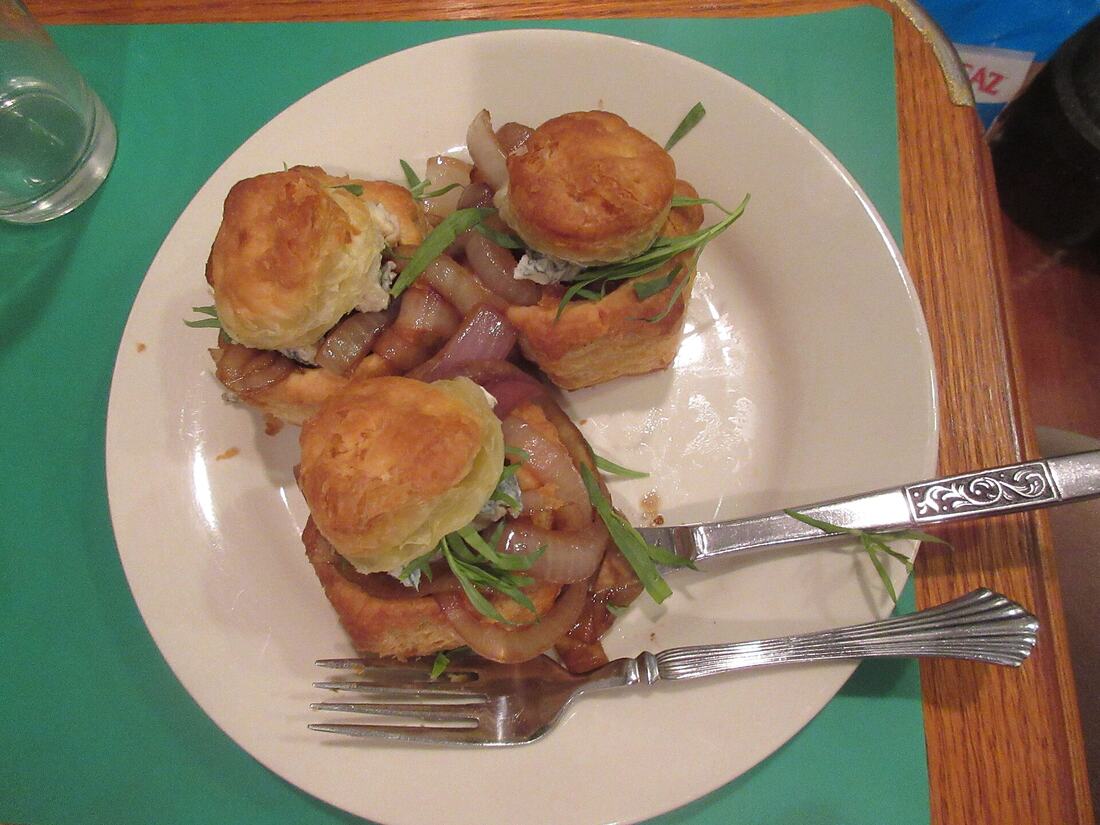
Real caramelized onions take 45–60 minutes, not 15. Here's the honest technique — low heat, patience, and a few tricks — for sweet, jammy, deeply browned onions.
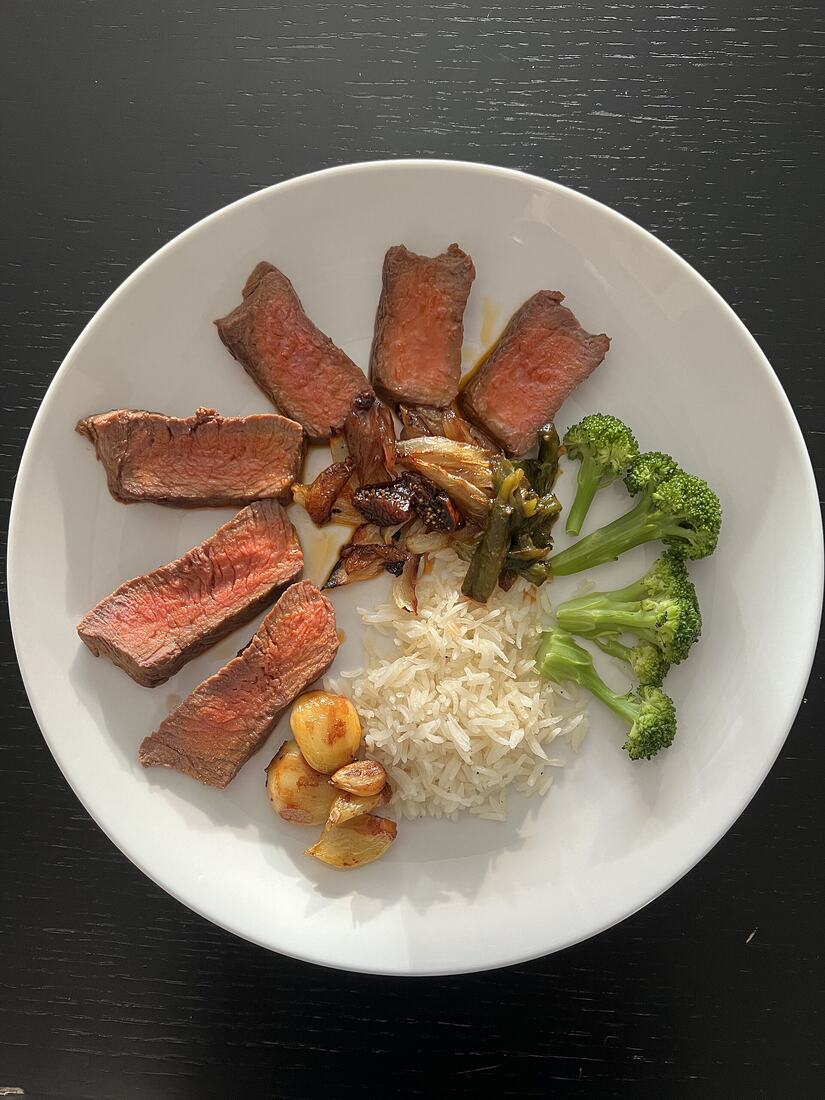
Cut a steak the moment it leaves the pan and you lose the juice. Resting meat is the free, effortless step that keeps roasts and steaks tender. Here's how long and why.
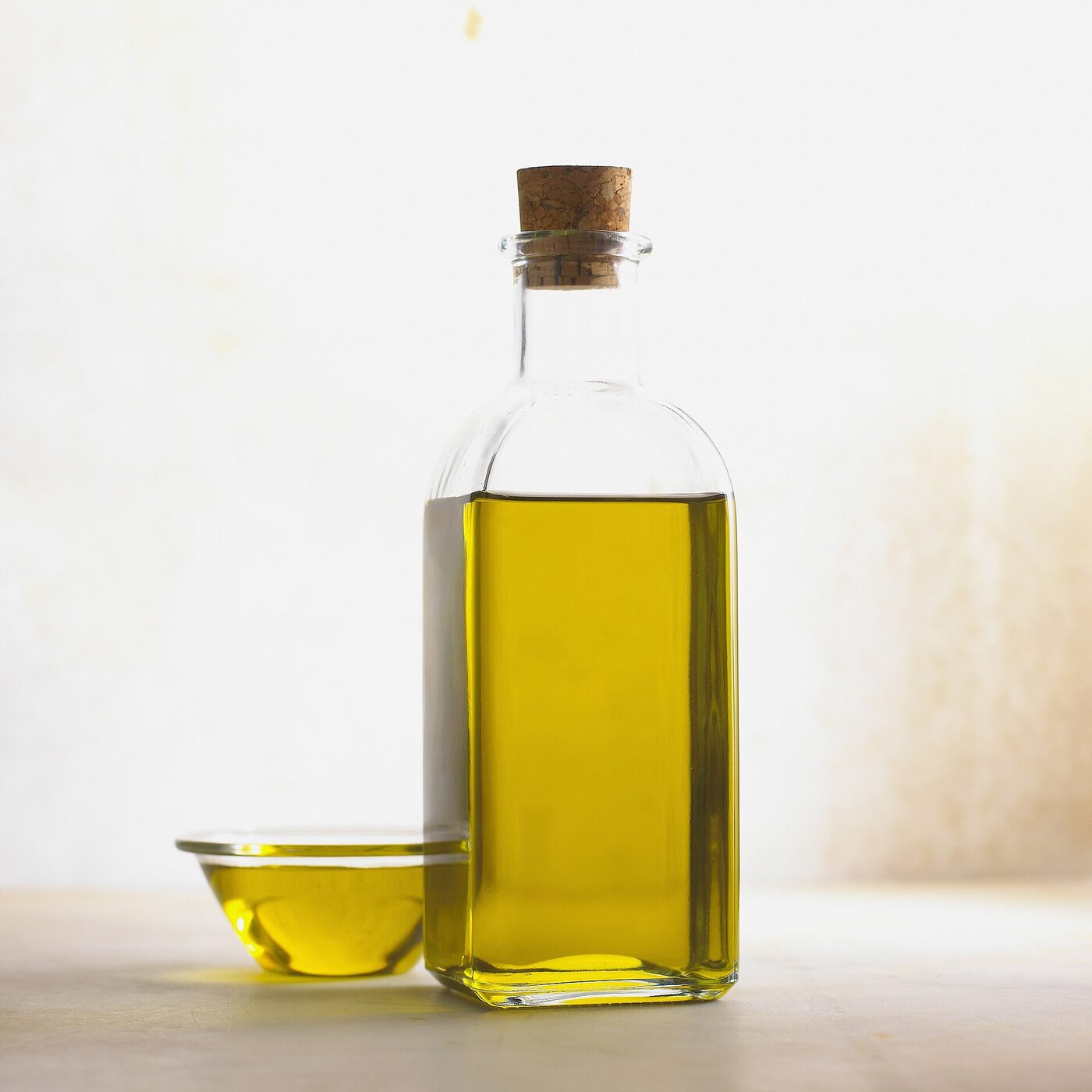
Not every oil belongs in a hot pan. A practical, honest guide to smoke points, flavor, and which oil to actually use for frying, sautéing, and finishing.
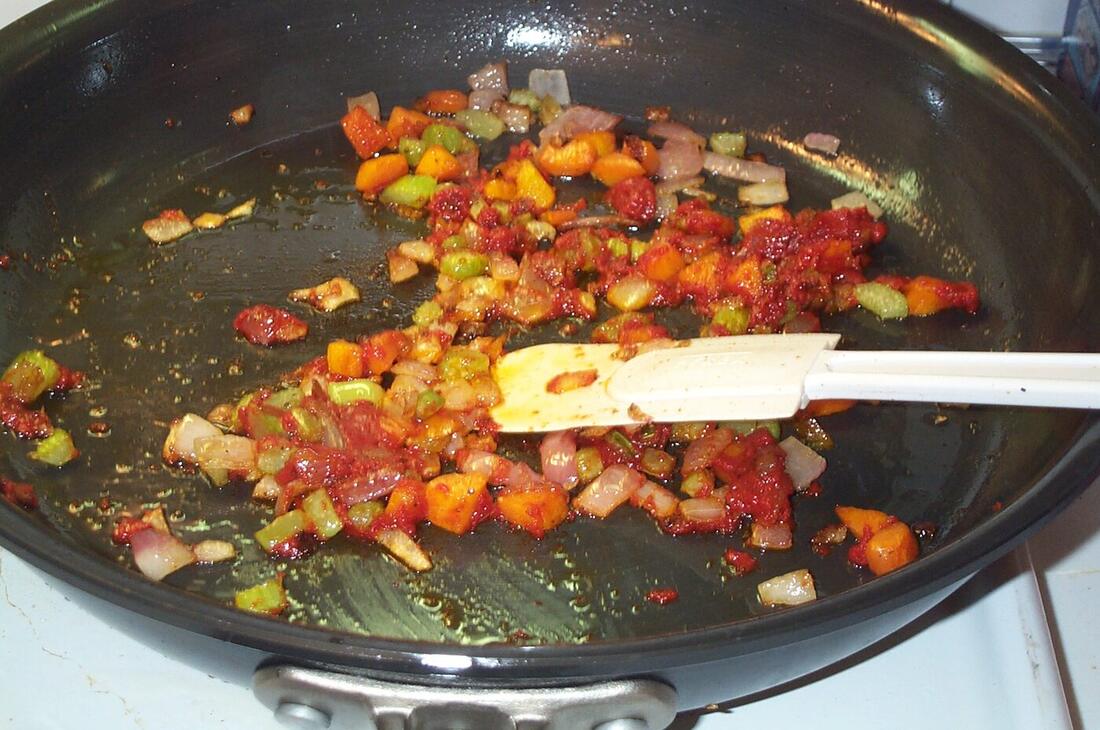
Browning makes food taste good — but there are two different reactions doing it, and they need different conditions. A clear, practical explanation.
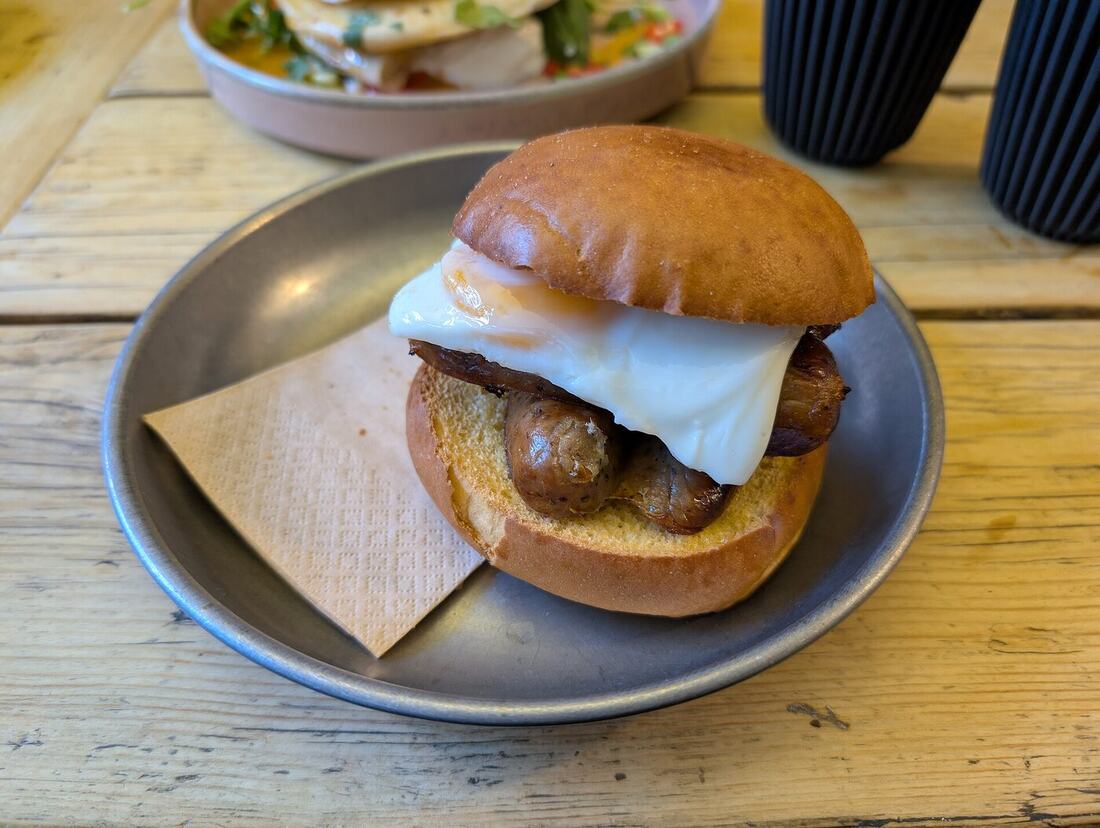
Eggs are the cheapest cooking school you can buy. Ten techniques — from silky scrambled to crisp-edged fried — that teach heat control better than any class.
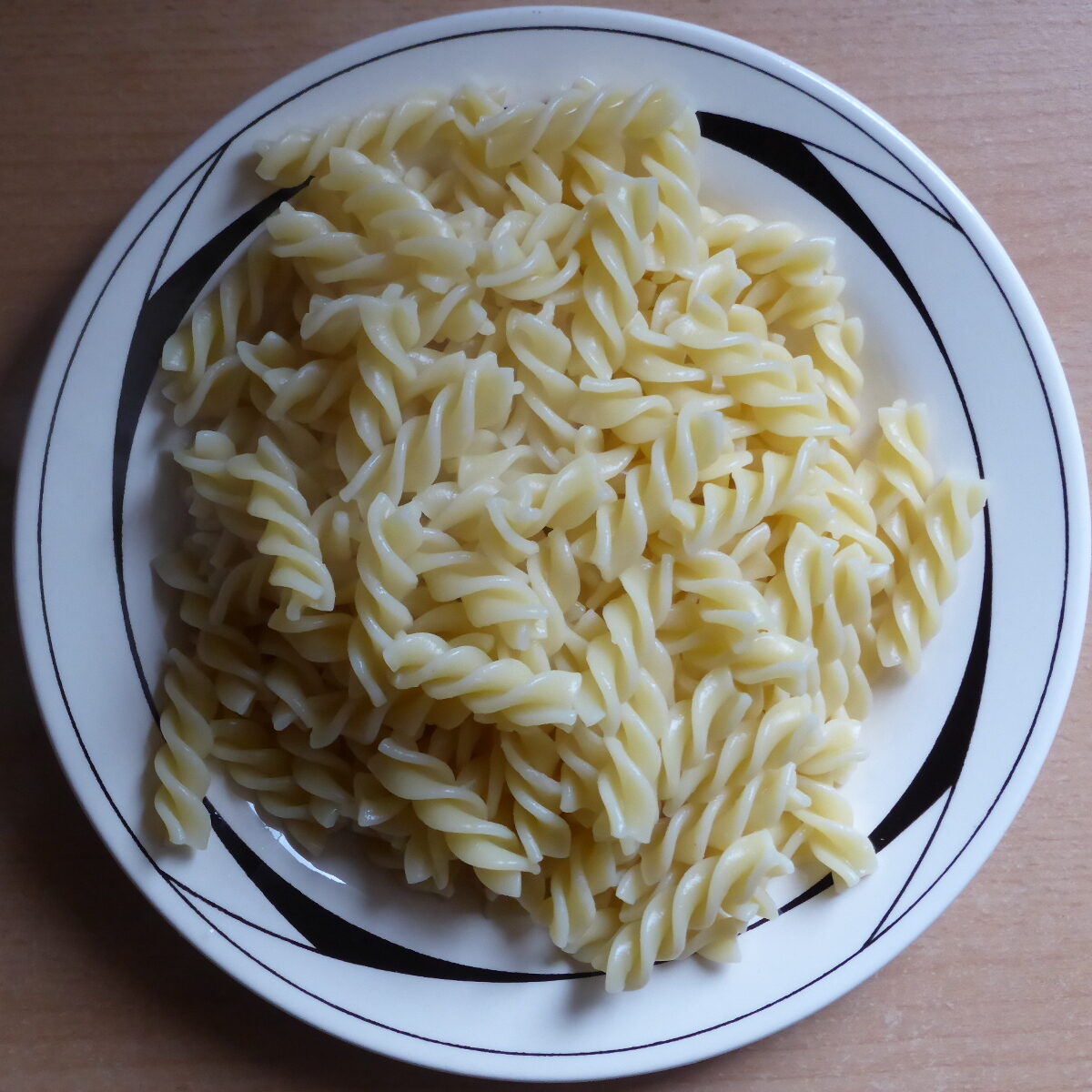
The difference between good and restaurant pasta is starchy water and emulsion. Here's the exact technique to finish pasta like a real kitchen does.
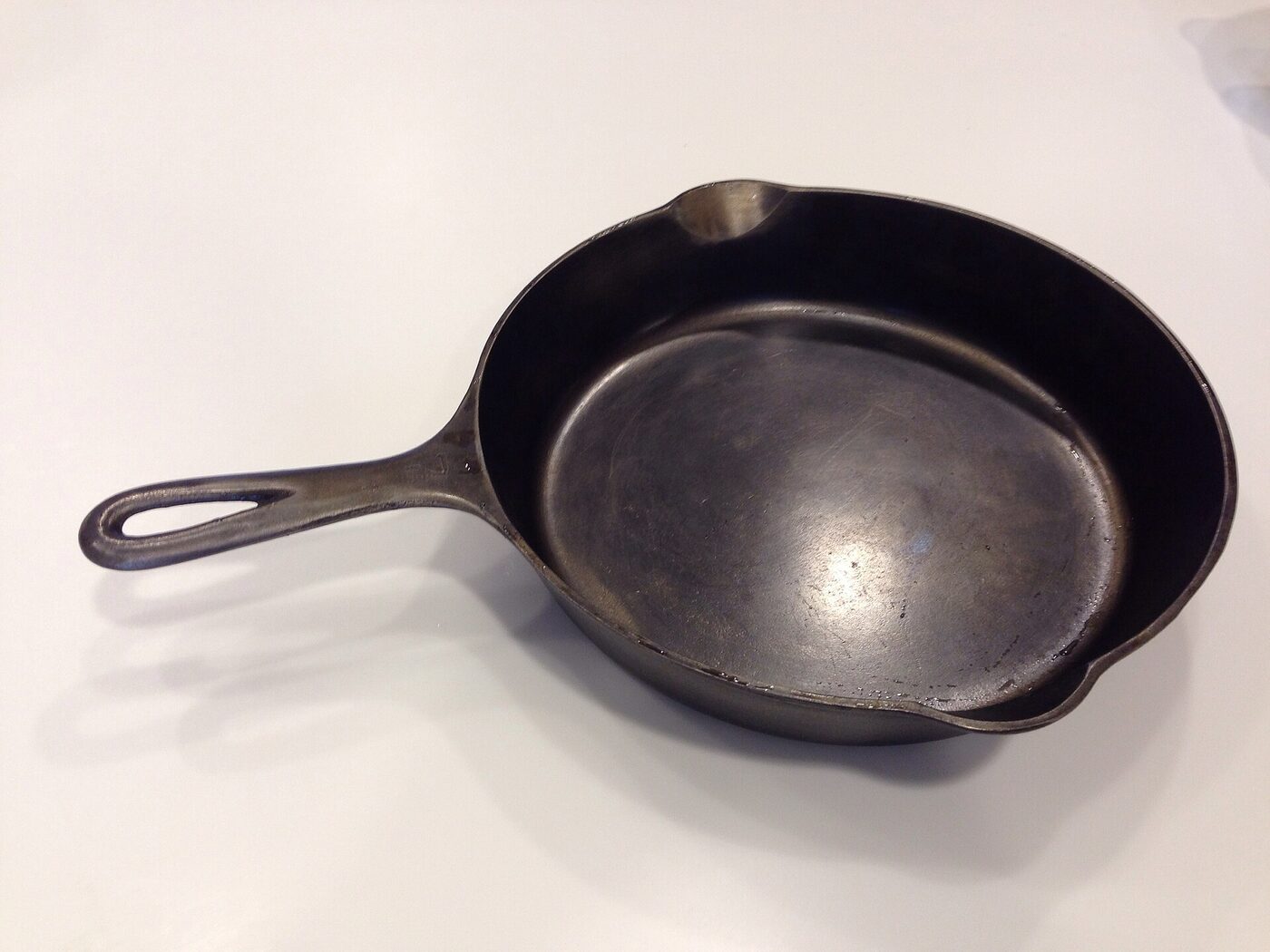
You can use soap. You don't need to baby it. Modern cast iron care is simpler than the internet says — a clear guide to seasoning, cleaning, and cooking.
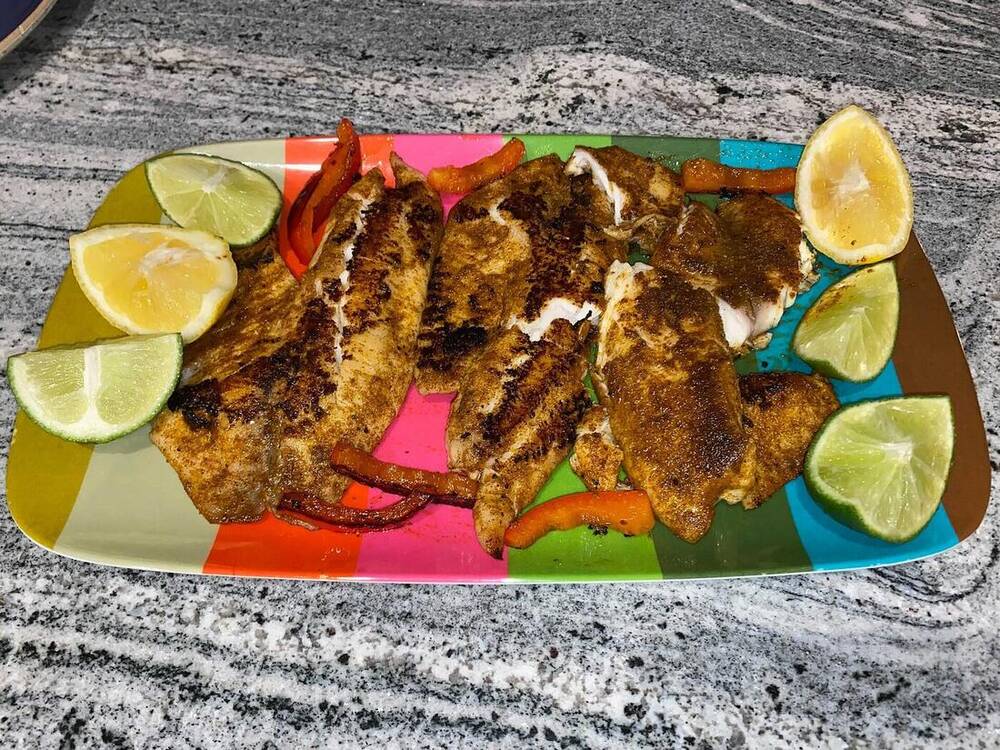
If your food tastes dull but you can't say why, it probably needs acid. A practical guide to using lemon, lime, and vinegar to balance flavor.

Under-salting is the #1 reason home cooking tastes flat. Learn when to salt, how much, and the real difference between kosher, table, and sea salt.
Want tested recipes you can keep forever?
Get the Cookbook