
Maillard vs Caramelization: The Real Science of Browning Food
Browning makes food taste good — but there are two different reactions doing it, and they need different conditions. A clear, practical explanation.
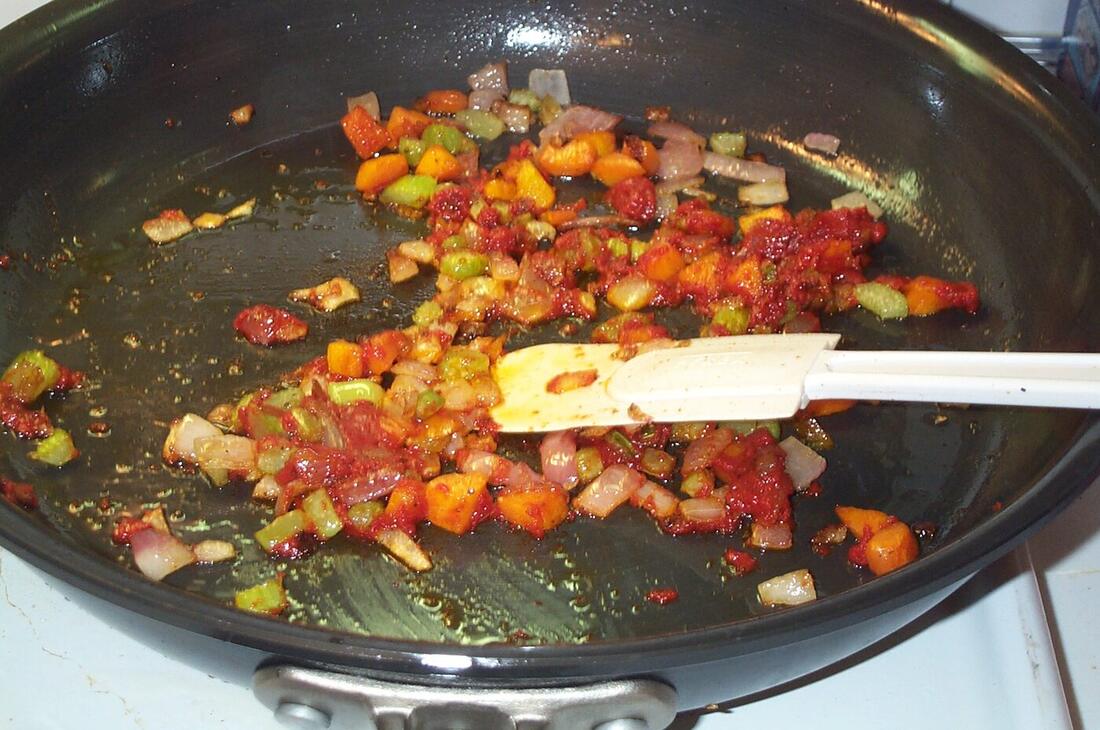
Every time food turns brown in a hot pan, something delicious is happening — but "browning" isn't one thing. It's two different chemical reactions that people constantly mix up, and understanding the difference is the difference between a crust that tastes complex and one that just tastes burnt.
Reaction 1: The Maillard reaction (protein + sugar)
The Maillard reaction is a reaction between amino acids (from proteins) and reducing sugars. It kicks in around 280°F (140°C) and is responsible for the savory crust on seared steak, the golden top of baked bread, the toasty notes in roasted coffee and the char on grilled vegetables. It produces hundreds of new flavor compounds — that complex, savory, "roasted" flavor is Maillard at work.
Key point: Maillard needs protein. Pure oil won't brown this way. Pure sugar won't either. It's the combination — which is why meat, bread, and dairy brown so beautifully.
Reaction 2: Caramelization (sugar alone)
Caramelization is what happens when sugars break down under heat on their own — no protein involved. It starts higher, around 320°F (160°C), and is what turns onions sweet and brown, gives carrots their deep glaze, and makes a caramel sauce amber and bitter-sweet. The flavors are nutty, sweet, and toasty rather than savory.
The practical difference
- Maillard: needs protein + sugar; starts around 280°F / 140°C; flavor is savory, roasted, complex (think steak crust, bread crust).
- Caramelization: needs sugar only; starts around 320°F / 160°C; flavor is sweet, nutty, toffee-like (think caramelized onions, glazed carrots).
Most great browning is both at once
The two often overlap. Caramelized onions get their sweetness from caramelization but also develop savory notes from Maillard (onions have a little protein). A seared steak is mostly Maillard, but any sugar in a marinade will caramelize alongside it. Knowing which is dominant helps you control the result.
How to use this in the kitchen
- Get the surface dry. Water can't exceed 212°F (100°C), and Maillard needs ~280°F. A wet steak steams instead of browning. Pat it dry first — every time.
- Don't crowd the pan. Each piece dropped in cools the pan and releases steam. Crowding turns searing into steaming. Work in batches for color.
- A pinch of sugar speeds caramelization. A tiny bit of sugar on vegetables in a hot pan helps them brown faster without waiting for their own sugars to concentrate.
- An alkaline surface browns faster. A pinch of baking soda in the water for pretzels (or on onions) dramatically accelerates Maillard browning. This is why pretzels are dipped in lye.
- Watch the line between brown and burnt. Brown = complex. Black = bitter and acrid. There's a narrow window; pull it when it's dark mahogany, not carbon.
The one thing to remember
If your food looks pale in the pan, it's not browning because there's too much moisture or not enough heat — not because you need more time. Fix the moisture and the heat, and the color (and flavor) follows. Want targets for specific proteins? The Cooking Reference lists safe and ideal temperatures, and ask the chef can suggest technique for whatever you're searing.
Photo: Caramelisation of carrots, Wikimedia Commons (CC BY-SA 2.0).