
Restaurant Pasta at Home: The Pasta Water Secret Nobody Explains
The difference between good and restaurant pasta is starchy water and emulsion. Here's the exact technique to finish pasta like a real kitchen does.
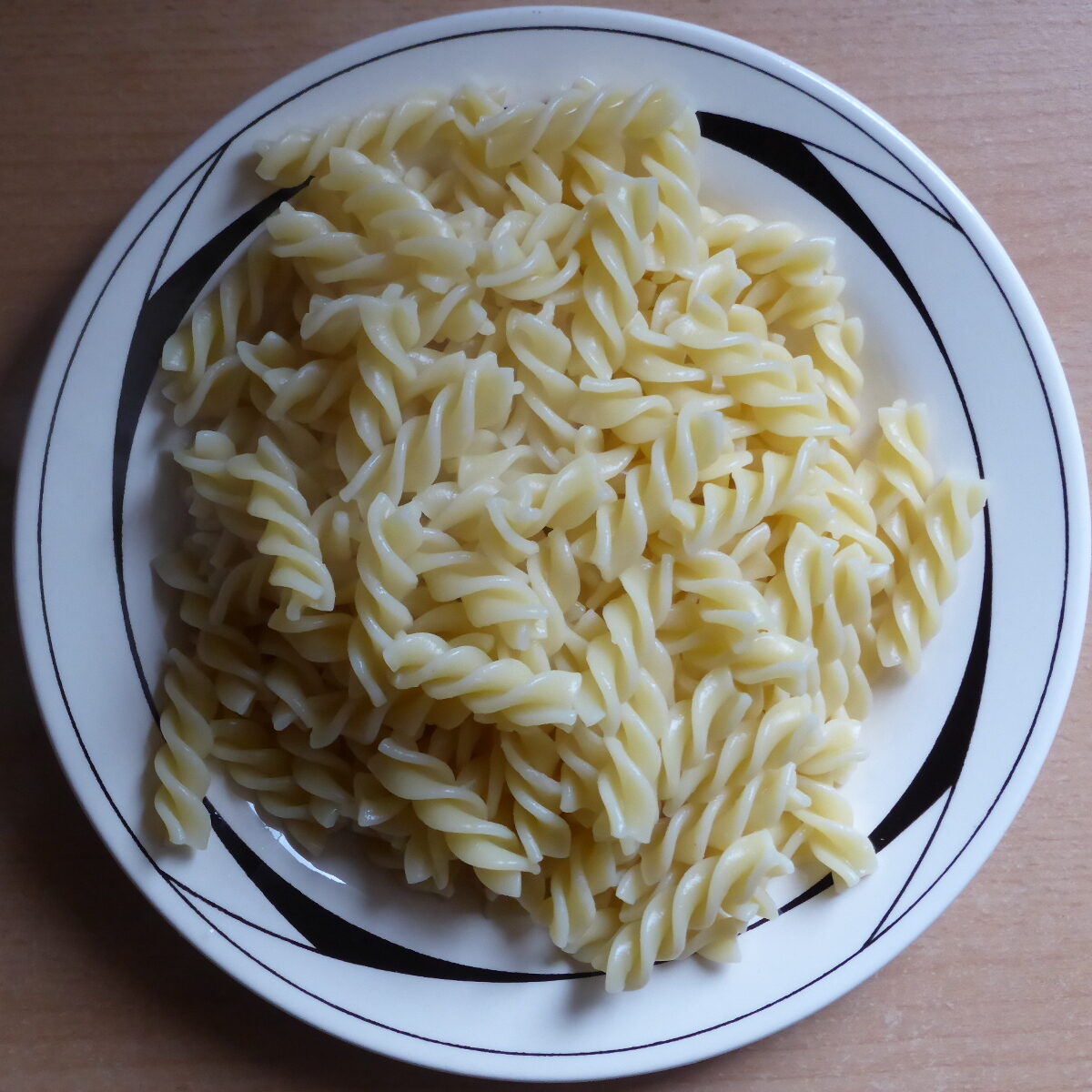
Here's why your homemade pasta tastes good but restaurant pasta tastes like a revelation: restaurants don't drain their pasta and dump sauce on top. They finish the pasta in the sauce, with a ladle of the starchy cooking water, and they shake the pan until the sauce clings to every strand in a glossy, tight emulsion. It's a 90-second move that changes everything, and almost no recipe explains it properly.
The ingredient you've been throwing away
Pasta water is the secret. As pasta cooks, it releases starch into the water, turning it cloudy and slightly thick. That starchy water is a natural emulsifier — it makes oil and water bind into a silky sauce instead of separating into greasy pools. It also seasons the pasta from the inside and gives the sauce something to grab onto.
Salt the water until it tastes like the sea. This is the only chance to season the pasta itself. Under-salted water = pasta that tastes like nothing, no matter how good the sauce is.
The restaurant technique, step by step
- Start the sauce in a wide pan. Whatever your sauce — garlic and oil, tomato, butter and sage — get it going in a pan wide enough to toss the pasta.
- Undercook the pasta by 1–2 minutes. It finishes in the sauce, where it absorbs flavor. If you boil it to done and then add sauce, it's overcooked and bland.
- Save a cup of pasta water before draining. Do not forget this. It's the whole trick.
- Move the pasta to the sauce with tongs (don't drain and dump — carry some water with it). Add a splash of the saved water.
- Toss over heat, adding water as needed until the sauce tightens into a glossy coating that clings to the pasta. It should look loose and luxurious, not dry, not soupy. Off the heat, beat in a knob of butter or a handful of cheese to finish the emulsion.
Why emulsion is the whole game
A greasy pasta happens when oil and water separate. A restaurant pasta happens when they don't. The starch in the water binds the fat in the sauce into a stable, creamy coating. This is why cacio e pepe (just cheese, pepper, pasta water) turns into a sauce at all — there's no cream, no butter, just starch and cheese emulsified with vigorous tossing.
The key: motion. Toss constantly. The emulsion forms from the mechanical beating, not from just sitting there.
The mistakes that ruin it
- Overcooking before the sauce. The pasta has no time to absorb flavor.
- Rinsing the pasta. You wash off the starch that makes the sauce cling. Never rinse.
- Adding oil to the boiling water. It doesn't stop sticking and it makes the sauce slide off. Just use enough water and stir early.
- Serving the sauce on top. Sauce goes under and through, via tossing. A pool on top is the giveaway of home cooking.
Try it once on a simple garlic-and-oil pasta and you'll taste the difference immediately. The same finish — a wide pan, a little starchy water, a good toss — is what makes fresh egg pasta sing when you make it from scratch. And if you're stretching the pot to feed four instead of two, the scaling guide has the water-and-salt math so you don't under-salt a big batch. Want a sauce matched to whatever you have in the pantry? Chef Chat can build one around your ingredients.