
Cooking Oils & Smoke Points: A Practical Guide to Choosing the Right Fat
Not every oil belongs in a hot pan. A practical, honest guide to smoke points, flavor, and which oil to actually use for frying, sautéing, and finishing.
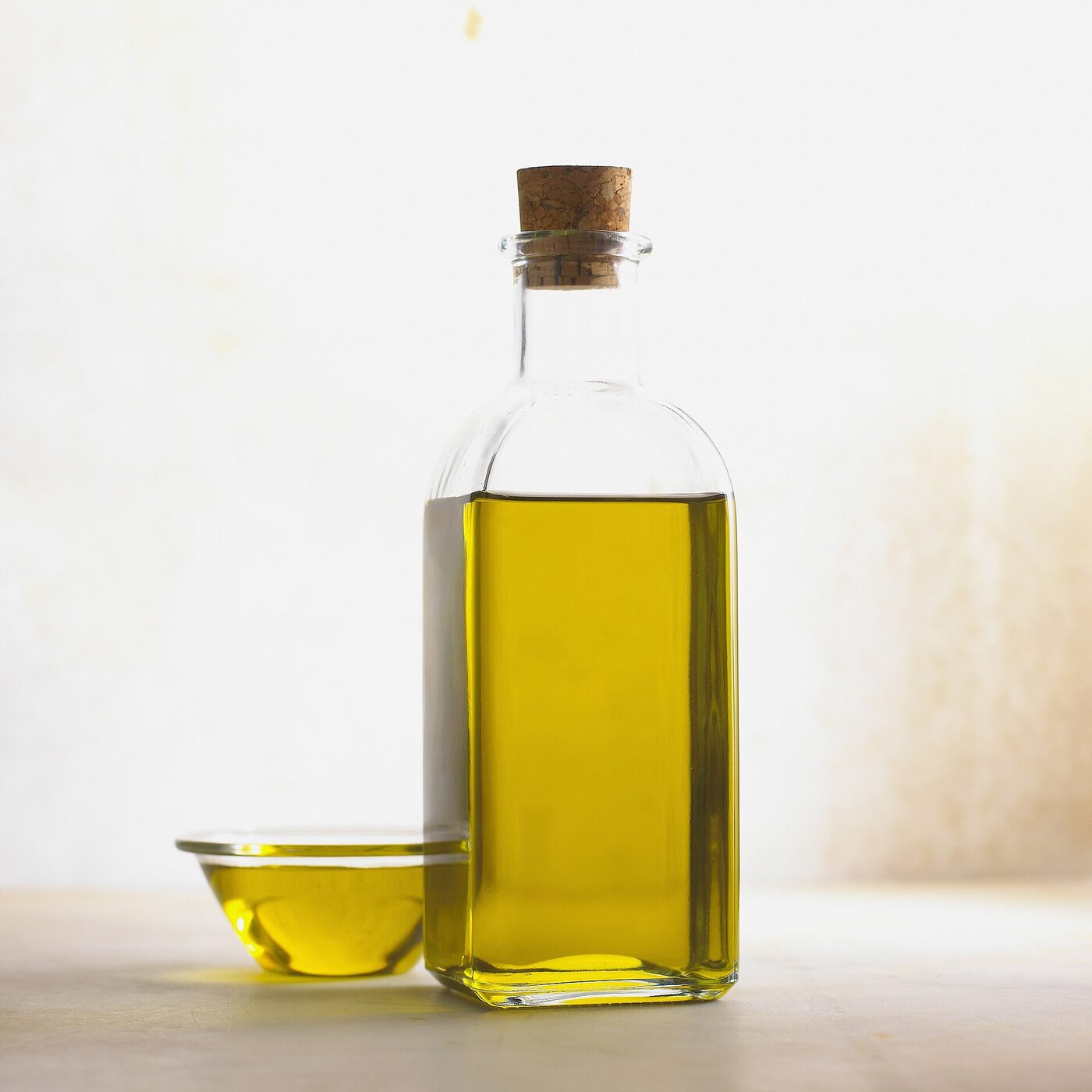
Heating an oil past its smoke point doesn't just smell bad — it creates acrid, bitter compounds and ruins the flavor of whatever you're cooking. Yet most kitchens reach for one bottle of oil for everything. Choosing the right fat for the heat you're using is one of the simplest upgrades you can make, and it's mostly a matter of matching a number.
What a smoke point actually is
The smoke point is the temperature at which an oil starts to break down and emit visible smoke. Below it, the oil is stable. Above it, it degrades fast — producing harsh flavors and, with sustained high heat, unhealthy compounds. The rule is simple: pick an oil whose smoke point is comfortably above the temperature you'll be cooking at.
A practical smoke-point table
- Extra-virgin olive oil — ~375°F / 190°C: sautéing, finishing, dressings (flavor, not high heat).
- Refined olive oil — ~465°F / 240°C: higher-heat cooking while keeping olive character.
- Butter — ~350°F / 175°C: low-medium heat and finishing (clarified butter / ghee goes much higher).
- Canola / grapeseed — ~400–420°F / 200–215°C: neutral all-purpose, frying, baking.
- Avocado oil (refined) — ~500°F / 260°C: high-heat searing, stir-frying.
- Peanut oil — ~450°F / 230°C: deep-frying, stir-frying (neutral, stable).
- Coconut oil (refined) — ~400°F / 200°C: medium-high heat, specific cuisines.
Values vary by refinement and brand; treat these as a guide, not a guarantee. Unrefined oils smoke lower than their refined versions.
How to choose in practice
- Searing a steak or stir-frying hard? Refined avocado or peanut oil — high smoke point, neutral flavor.
- Gentle sauté, Mediterranean dishes? Extra-virgin olive oil is fine at moderate heat and adds real flavor. Don't push it past smoking.
- Finishing and dressings? Use your best-tasting oil here — extra-virgin olive, toasted sesame, nut oils. Heat destroys their flavor, so save them for the end.
- Baking? Neutral oil (canola, grapeseed) unless the recipe wants butter or olive character.
Refined vs unrefined — why it matters
An oil's smoke point depends heavily on refinement. Unrefined (cold-pressed, virgin) oils keep their flavor and nutrients but smoke at lower temperatures. Refined oils are filtered and processed to remove impurities, raising the smoke point but stripping flavor. So "olive oil" isn't one thing: extra-virgin is for flavor at moderate heat, refined ("light") olive oil is for higher heat with less taste. Read the label for the actual smoke point you're getting.
Storage: flavor fades before it smokes
Oils go rancid long before you'd notice — heat, light, and air are the enemies. Keep bottles sealed, cool, and dark. Buy in sizes you'll use within a few months, especially for delicate oils. A rancid oil doesn't just taste off; it's already degrading before you ever heat it.
The one-line takeaway
Match the oil's smoke point to your cooking heat, keep one neutral high-heat oil (avocado/grapeseed/canola) and one flavorful finishing oil (good extra-virgin olive), and you've solved 90% of it. For converting measurements or scaling a recipe's oil, the unit converter and recipe scaler handle the math.