
Egg Substitutes for Baking: What Each Egg Does and What Can Replace It
Egg substitutes for baking, sorted by the job the egg does: binding, moisture, lift and structure. Which swaps work, and where none will.
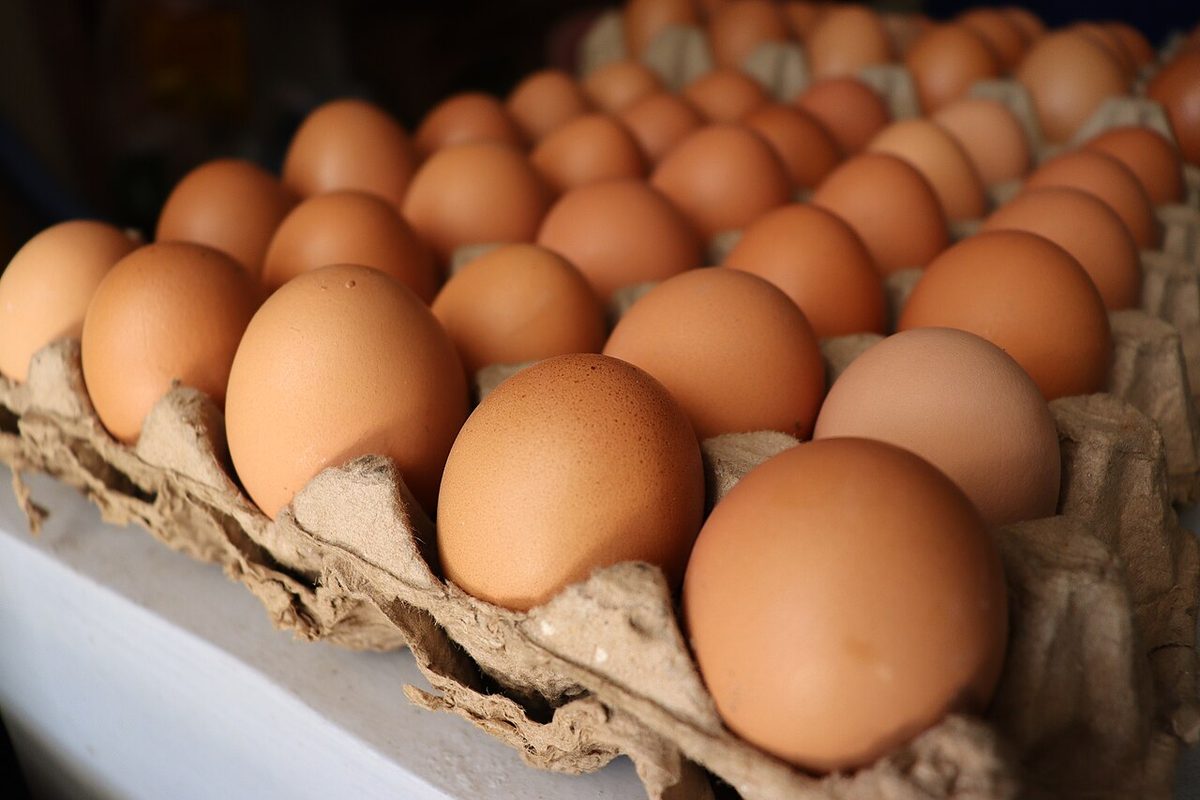
An egg does several jobs in a batter at the same time. It binds the flour and liquid, adds moisture and fat, helps the structure set in the oven, and in some recipes traps air that lifts the crumb. No single substitute does all of that, so the right swap depends on which job the egg is doing in your recipe. For cookies, muffins, quick breads and pancakes, a flax egg, applesauce, mashed banana or yogurt often works. For custards, meringues, and sponge or angel food cakes, the egg is the structure, and most swaps change the result in ways you can see.
Key takeaways
- Name the egg's job before you choose a substitute: binding, moisture, lift, or structure.
- Flax and chia eggs bind well but do little for lift, so they suit dense bakes such as cookies and pancakes.
- Applesauce, mashed banana and yogurt add moisture and tenderness, and they change the flavor.
- Custards, meringues and sponge cakes depend on egg protein and air. A swap there makes a different dish.
- Test a small batch before you bake the whole recipe, and write down what changed.
What an egg does in a batter
Before you swap, name the job. Most baking recipes ask an egg to do one or more of these four things:
- Bind. Egg proteins hold loose ingredients together, which is why eggs help cookies and meatballs keep their shape.
- Add moisture and fat. The white is mostly water. The yolk brings fat and emulsifiers that help batters blend smoothly.
- Set the structure. When heated, egg proteins firm up. That is how custards hold their shape and how cakes keep their crumb.
- Trap air and add lift. Whipped whites and the steam from liquid egg help batters rise.

Match the substitute to the job
Flax egg and chia egg: for binding
Ground flaxseed or ground chia mixed with water turns gel-like after a few minutes of resting. It binds well, which makes it a good fit for cookies, muffins, pancakes and breading. It does very little for lift, so expect a denser, chewier result. Flax tastes slightly nutty. Chia is close to neutral once it is ground. Grind the seeds fine, because whole seeds do not gel as well. The amounts are listed on the egg substitutes page, which is the same data the Substitution tool uses when it scales a swap.
Applesauce, mashed banana and yogurt: for moisture
These swaps add moisture and tenderness, so they suit muffins, quick breads, snack cakes and some pancakes. They also change the taste. Applesauce is mild and a little sweet. Banana is strong, so it suits banana bread better than a plain vanilla cake. Plain yogurt adds tang and a soft crumb. Because these swaps are wet and sweet, they can make a bake denser and can make it brown faster. Judge doneness with a toothpick or skewer, not the clock alone.
Aquafaba: for foam and lift
Aquafaba is the liquid from a can of chickpeas, or from cooking dried chickpeas. Whipped, it forms a foam much like egg white, so it is worth trying in meringue-style toppings, mousses and some light cakes. Once cooked it tastes close to neutral, which helps in delicate recipes. Results vary between brands and batches, because the liquid itself varies. Whip it to stiff peaks before folding it in, and test a small amount first.
Baking soda and acid: for lift
When an egg is part of the lift, a recipe that already uses baking soda with an acid such as buttermilk, yogurt, lemon juice or vinegar can cover some of the difference. The reaction releases carbon dioxide and starts as soon as the wet and dry ingredients meet, so mix the batter and get it into the oven without delay. Do not add extra leavening unless you know why it is needed. Too much baking soda leaves a soapy, metallic taste.
Commercial egg replacers
Store-bought egg replacers are usually blends of starch and leavening meant for baking. Follow the package for the amount, and use them for the recipe types the label names. They are built for cakes, cookies and muffins. They are not for custards, scrambled eggs or meringue.
Egg substitutes by recipe type
The table sums up what usually works. Treat it as a starting point rather than a guarantee, because the flour, sugar and fat in your recipe change the result.
| Recipe type | Main egg job | Swaps that usually work | Where it struggles |
|---|---|---|---|
| Cookies | Binding and texture | Flax egg, chia egg, applesauce | Texture can turn denser or chewier |
| Muffins and quick breads | Moisture and lift | Applesauce, mashed banana, yogurt, with baking soda and acid where the recipe uses them | Banana can dominate the flavor |
| Pancakes and waffles | Binding and lift | Yogurt, applesauce, flax egg with a little extra leavening | Results are often denser |
| Light sponge or angel food cake | Whipped structure and lift | Aquafaba whipped to stiff peaks | Most swaps stay dense or collapse |
| Meringue | Foam | Aquafaba | Stability varies |
| Custard, flan, quiche filling | Setting the mixture | No common swap sets the same way | Expect a different dish |
| Fried or scrambled eggs | The dish itself | None that behaves like egg | A tofu scramble is a different dish |
When the egg is the structure
In custards, crème caramel, quiche fillings and some sponge cakes, the egg protein is the framework of the dish. It sets as it heats and holds the air whipped into it. A substitute does not set the same way, so the texture changes even when the flavor is fine. You can make a savory tart without eggs, but the result is a different dish, not an egg-free version of the same one.
Scale matters too. A recipe with one egg tolerates a swap far better than a recipe with six. The more eggs a recipe asks for, the more the swap changes it. When you are learning substitutions, start with a simple recipe that uses one or two eggs.
Flavor and color change, too
A substitute is an ingredient, so it shows up in the taste. Flax tastes nutty, applesauce and banana add sweetness and fruit, and yogurt adds tang. Eggs also add color and richness from the yolk, so a swap can leave a cake paler or a cookie less golden. Brushing the top with milk gives some color, though not the gloss of an egg wash.
How to test a swap without wasting a batch
- Make a small batch first: a few cookies, two muffins or a small pan of pancakes.
- Change one thing at a time. If you swap the egg, the fat and the sugar together, you will not know which change caused the result.
- Write down the swap, the amount, the bake time and what you saw. Notes beat memory.
- Check doneness by sight, by a toothpick or skewer, and by touch, not only by the clock.
If the test works, make the full batch. If it fails, the notes show what to change next time: a stiffer dough, less sweetener for a flat cookie, or a different substitute for the same job.
Allergy and label note
An egg-free recipe is not automatically safe for someone with an egg allergy. Some substitutes come from other foods, such as chickpeas or flax, and packaged products are often made in facilities that handle several allergens. If you cook for someone with an allergy, read every label and talk with a medical professional about their needs. This guide covers cooking results, not allergen control.
Related reading
- What to Use Instead of Wine in Cooking covers the other swap that trips up most home cooks.
- 10 Egg Techniques Every Home Cook Should Master covers the cooking methods behind eggs.
- Dairy Substitutions That Work: Buttermilk, Cream, Sour Cream covers the dairy side of baking swaps.
Still unsure which swap fits your recipe? Ask the chef chat, or start from the substitutes index and find the ingredient you are missing.
Frequently asked questions
Can applesauce replace eggs in any recipe?
No. Applesauce adds moisture and sweetness, so it works best in muffins, quick breads and some cakes. It does not replace eggs in custards, meringues or delicate sponges.
What is the best egg substitute for cookies?
A flax egg is a common choice because it binds well. Expect a chewier, denser cookie with a slightly nutty flavor, and check the amounts on the egg substitutes page before you start.
Does aquafaba work like egg white?
It can whip into a foam, so it works in some meringue-style and light recipes. Results vary between batches, so test a small amount first.
Do I need to change the oven temperature when I swap eggs?
Usually not, but moist swaps such as applesauce, banana and yogurt can take longer to bake. Judge doneness with a toothpick or skewer rather than trusting the timer.
Can I leave the egg out of a cake entirely?
Sometimes, in a simple cake that gets its lift from other ingredients. Sponge and angel food cakes depend on egg structure, so a swap changes them a lot.
Are store-bought egg replacers worth buying?
They work well in many baked goods when you follow the package directions. Use them for baking, not for custards, scrambled eggs or meringue.