
10 Egg Techniques Every Home Cook Should Master
Eggs are the cheapest cooking school you can buy. Ten techniques — from silky scrambled to crisp-edged fried — that teach heat control better than any class.
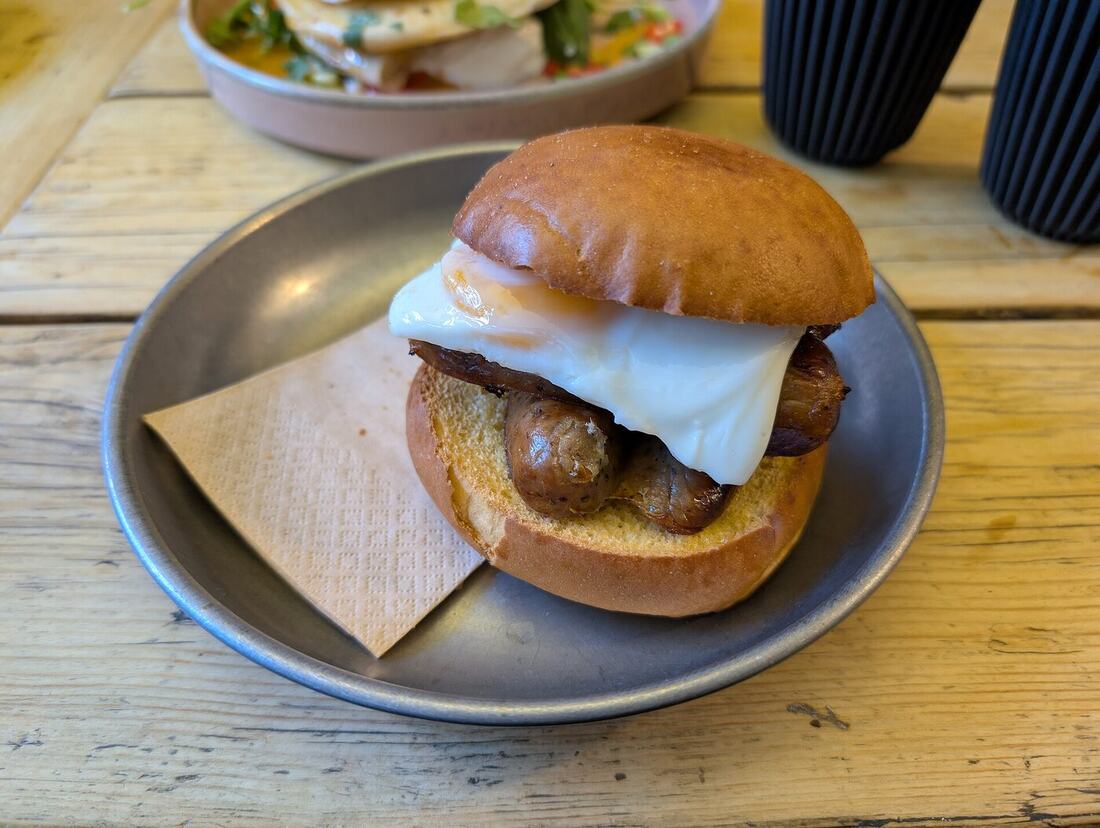
Eggs are the cheapest cooking school in the world. They're unforgiving — a few degrees or seconds separate silk from rubber — which makes them the perfect teacher. Master eggs and you've quietly mastered heat control, the skill underneath everything else. Here are ten techniques, ordered from gentle to bold.
1. Silky scrambled (low and slow)
Crack eggs into a cold pan with a knob of butter, then set over low heat and stir constantly with a spatula, scraping the bottom in slow folds. Take them off the heat while they still look slightly wet — residual heat finishes them. The result is soft, custardy curds, not the dry yellow gravel most people make. Patience is the entire technique.
2. French-style folded (medium-low, folded not stirred)
Similar to silky, but you let larger curds form by stirring less, folding gently. Creamier and more structured. Finish with a tiny bit of crème fraîche or butter off the heat to stop the cooking.
3. Soft-boiled (the 6–7 minute egg)
Lower eggs into already-boiling water. 6 minutes for runny, 6:30 for jammy, 7 for set-yolk-with-soft-white. Ice bath immediately to stop cooking and make peeling easier. The jammy center is the foundation of ramen, bibimbap, and many grain bowls.
4. Hard-boiled without the gray ring
Boil, then immediately plunge into ice water. The greenish-gray ring around the yolk is just overcooking — it's sulfur reacting with iron. A fast chill keeps the yolk bright yellow and tender.
5. Crisp-edged fried (hot, basted)
Get the oil shimmering hot, crack the egg in, and let the edges go lacey and crisp. Spoon hot oil over the top to set the white without flipping. This is the diner egg — crunchy bottom, tender top, runny yolk. Low heat gives a pale, sad egg; don't be shy with the heat.
6. The classic sunny-side up
Medium-low heat, cover the pan briefly so steam sets the top white while the bottom stays soft. No basting needed. The yolk stays vivid and runny — the whole point.
7. Poached (the swirl method)
Simmer water with a splash of vinegar. Create a gentle whirlpool with a spoon, slip a strained, very fresh egg into the center, and let the motion wrap the white around the yolk. 3 minutes for soft. Fresh eggs hold their shape; old ones spread into a ghost — the quick fresh-egg test tells you which you're dealing with before you drop it in.
8. Omelette — French vs diner
French: beaten eggs in a hot buttered pan, stirred vigorously with a fork then rolled into a neat, pale-yellow cylinder — smooth outside, barely set inside. Diner: eggs cooked flat without stirring, folded over a filling, golden outside. Same ingredients, opposite philosophies.
9. Soufflé (whipped structure + gentle heat)
Beat whites to soft peaks, fold into a flavored base, bake in a straight-sided dish. It rises on trapped steam. The lesson: structure (whipped whites) plus gentle, even heat equals lift. Open the oven door and it falls — never trust a fragile foam to a slam.
10. Custard (low, patient, water bath)
Eggs thicken liquids between 170–185°F (77–85°C). Past that, they scramble. A water bath buffers the heat so crème caramel and quiche set smoothly instead of curdling. This is heat control in its purest form.
What eggs teach
Notice the thread: every technique is really about choosing the right heat and the right moment to stop. Get that with eggs and you'll find it carries into steak, fish, and every sauce that breaks. For a quick reference on doneness temperatures, the Cooking Reference has you covered. And because silky scrambled and folded eggs need a gentle nonstick surface while a crisp-edged fry wants a hotter, freer pan, which pan you use quietly decides half these results.