
The Right Pan for the Job: Nonstick, Stainless, Cast Iron, Carbon Steel
Stuck eggs, burnt sauces, uneven sears — most pan problems are wrong-pan problems. A practical guide to nonstick, stainless, cast iron, and carbon steel.
The Right Pan for the Job: Nonstick, Stainless, Cast Iron, Carbon Steel
Most "I need a better pan" problems are actually "wrong pan for this job" problems. Every pan type has a strength and a weakness, and knowing which is which fixes most cooking failures — stuck eggs, burnt sauces, uneven sears — without buying anything. Here's how to choose, with the practical rules for each material.
The Four Workhorses
Nonstick
Best for: eggs, delicate fish, crepes, anything that sticks before it cooks.
Limits: don't use metal utensils, don't heat it empty on high, and don't sear in it — nonstick coatings top out around 400-450°F (200-230°C), and they can't develop the browned crust that gives food flavor. Nonstick pans are consumables; plan to replace them every few years when the coating degrades.
Stainless steel
Best for: searing meat, pan sauces, anything that benefits from browned bits, acidic foods (tomato sauce, wine reductions) that would strip seasoning from cast iron.
How to use it: heat the pan until a drop of water beads and skates (the Leidenfrost effect), then add oil, then food. The food releases from the pan when it's browned — if it sticks, it's not done yet. This is the pan that teaches you how to cook, because it gives real feedback.
Cast iron
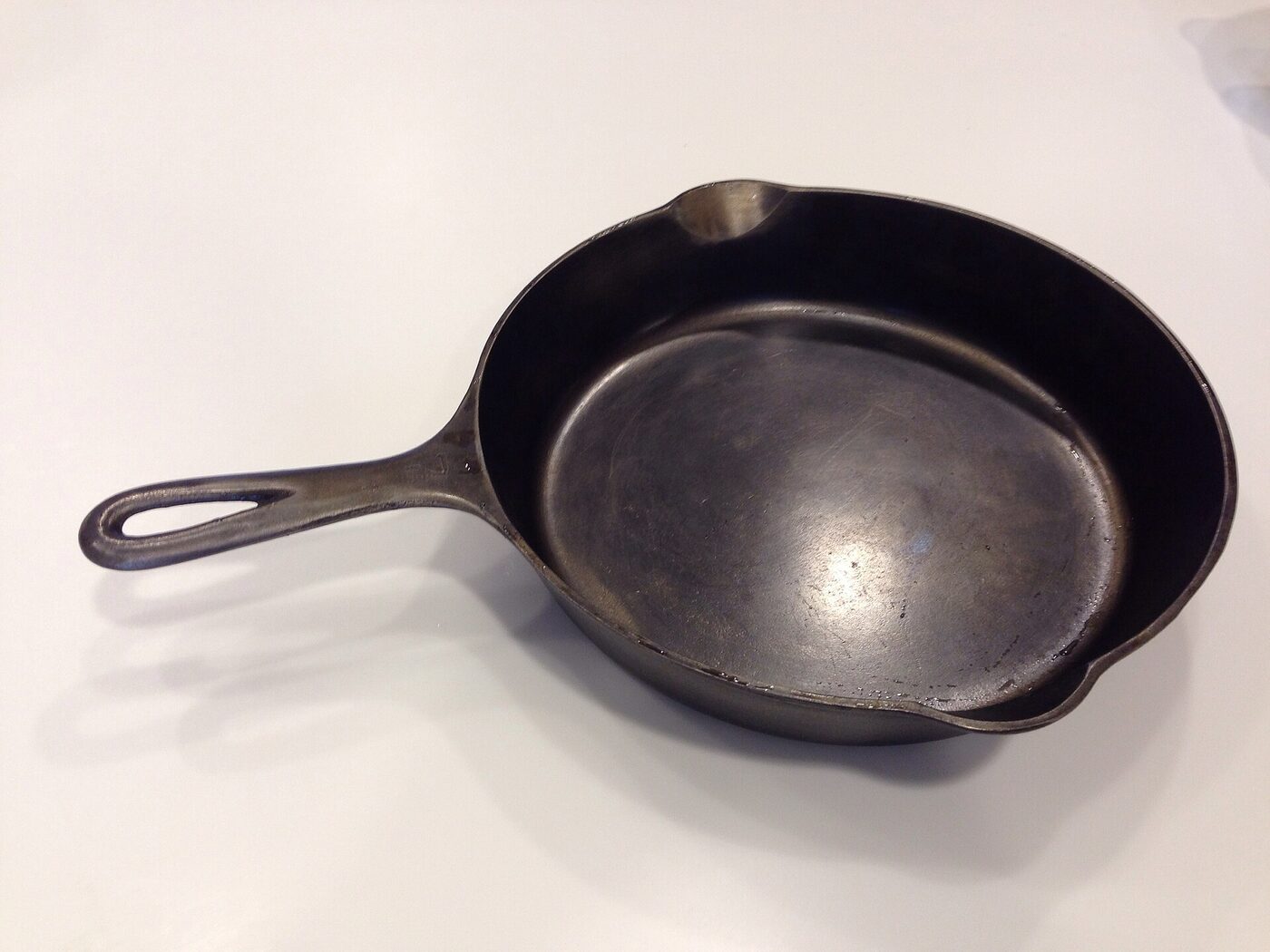
Best for: high-heat searing, frying, oven-to-table cooking, cornbread, and anything that wants a heavy, even heat. Seasoned cast iron is naturally nonstick for most foods.
Care: dry it thoroughly after washing (a quick stint on the stove removes remaining moisture), oil it lightly. Modern advice is simpler than the old myths: mild soap is fine, metal utensils are fine, just keep it seasoned and dry. Acidic simmering for a long time will strip seasoning — use stainless for that.
Carbon steel
Best for: the same jobs as cast iron but lighter — restaurant woks and crepe pans are carbon steel. It seasons the same way and heats faster.
Trade-off: it's thinner, so heat distribution is less forgiving, and it rusts quickly if left wet.
A Decision Table
What you're cookingReach for Scrambled eggsNonstick Steak with a crustCast iron or stainless Pan sauce with wine or tomatoStainless Stir-fryCarbon steel wok (or a hot cast iron) Oven-roasted cornbreadCast iron Delicate fish filletNonstick Batch of pancakesNonstick or carbon steelWhat Actually Matters More Than the Pan
Heat control beats pan material every time. A cheap pan with patient, properly managed heat outperforms an expensive one on a burner set to high. Most home cooks have the heat too high: searing on medium-high (not max), eggs on medium, sauces on medium-low. Get comfortable managing heat and the pan choice becomes secondary.
The Minimum Kit
You don't need all four. A sensible starting set: one 10-12" stainless skillet (searing, sauces, most cooking), one 8-10" nonstick (eggs), one 10" cast iron (high heat, oven). That covers nearly every recipe a home cook actually makes. Add a carbon steel wok only if you stir-fry regularly.
Deeper reading on the pans you own
Once you've chosen, the care matters as much as the metal. Caring for cast iron is simpler than the old myths claim, and knowing which oil can take a sear without smoking is the other half of using stainless and iron well — the smoke-point guide covers it. For the scaled-down version when you cook for one or two, small-batch cooking explains why a smaller pan beats a bigger one.