
Cast Iron Skillet Care: A No-Nonsense Guide (Myths Debunked)
You can use soap. You don't need to baby it. Modern cast iron care is simpler than the internet says — a clear guide to seasoning, cleaning, and cooking.
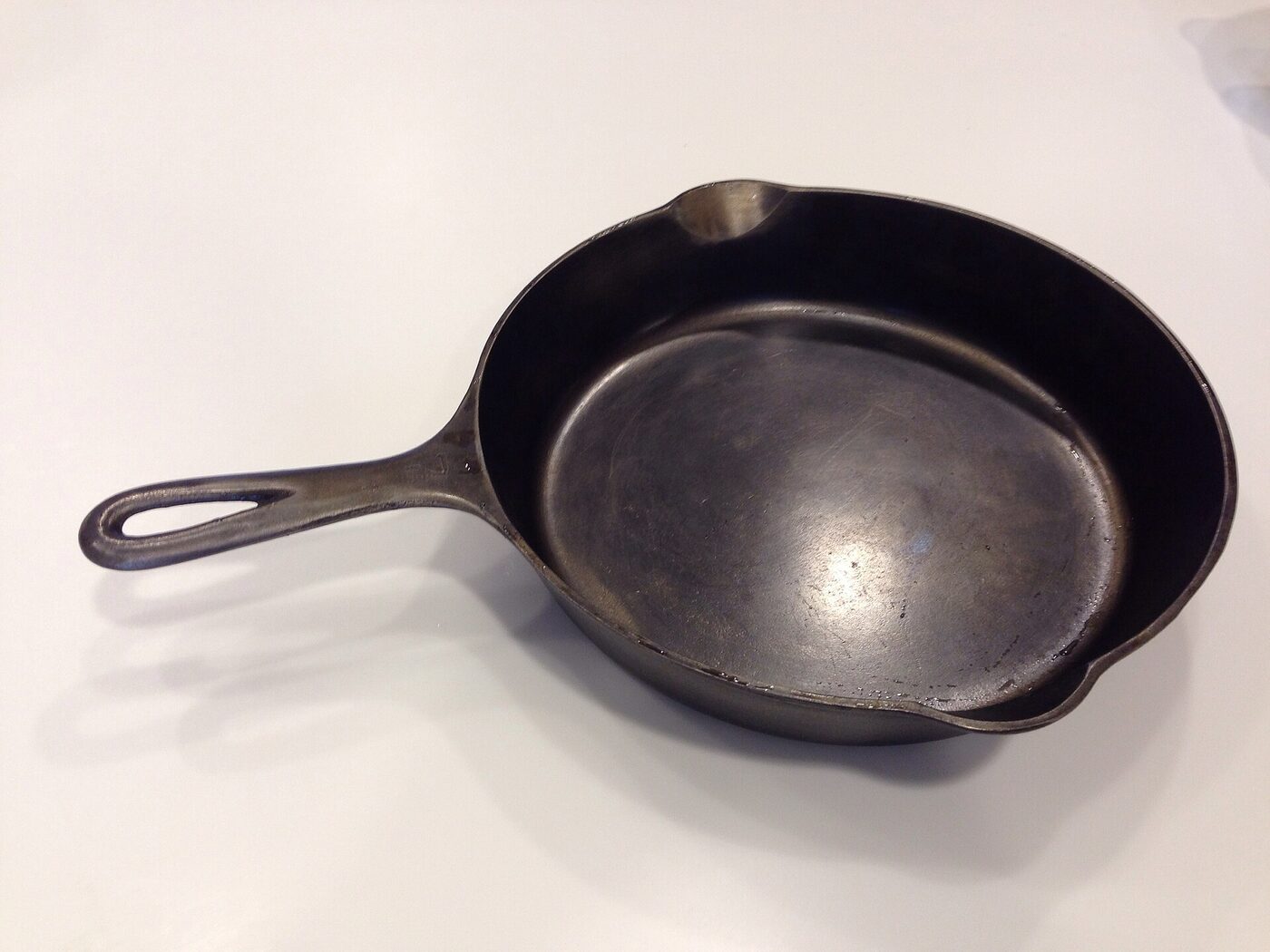
Cast iron has accumulated more folklore than any other pan. Don't use soap. Never use metal. Re-season after every use. Pass it to your grandchildren un-washed. None of this is necessary, and most of it scares people out of using a pan that's meant to be used hard. Here's what actually matters.
Seasoning: what it is, how to get it
Seasoning is just polymerized oil — oil that's been heated past its smoke point so it bonds into a hard, slick layer on the iron. It's not magic, and it's not fragile. A well-seasoned pan is dark, smooth-ish, and repels water.
To season a new or stripped pan: coat it thinly with neutral oil (canola, grapeseed), wipe it almost dry so no pools remain, and bake it upside-down at 450–500°F (230–260°C) for an hour. Repeat 2–3 times. The enemy is too much oil — a thick layer turns sticky and rancid, not slick.
The myths, debunked
- "Never use soap." False. Modern dish soap is a degreaser, not a lye-based stripper. A little soap on a sponge won't touch a properly bonded seasoning. Use it. Your pan won't taste like last week's fish.
- "Never use metal utensils." False. The seasoning is tougher than people think. A metal spatula actually helps smooth the surface over time. Use what you like.
- "You must re-season after every wash." False. Just dry it and wipe with a tiny bit of oil if you want. The seasoning holds.
- "Acid ruins it." Mostly false. A quick tomato deglaze is fine. Simmering vinegar for hours will strip seasoning — save long acidic braises for enameled or stainless.
The actual care routine (3 steps)
- Wash warm. Hot water, a sponge or chainmail scrubber, a little soap if needed. For stuck bits, simmer water in the pan and scrape.
- Dry thoroughly. Towel off, then heat on the stove for a minute to drive off every drop of water. Rust forms from moisture left sitting.
- Oil lightly. While still warm, rub in a drop of oil with a paper towel until it looks dry. That's it.
Heat, the real superpower
The reason cast iron is worth keeping isn't the nonstick — it's the heat retention. It stays screaming hot when cold food hits it, which means a better sear on steak, crisp skin on chicken, and a crust on cornbread that no thin pan can match. Let it preheat longer than you think, and don't crowd the pan — every cold item dropped in drops the temperature.
When cast iron isn't the right tool
It's heavy, it heats unevenly on small burners, and it's reactive. For delicate fish, quick sauces, or anything acidic simmered a long time, reach for stainless or nonstick. Cast iron is a tool, not a religion — use it where its heat retention shines.
Need a searing temperature guide so you don't guess? The Cooking Reference lists target temps for steaks, chicken, and more.
Photo: Griswold cast iron skillet, Wikimedia Commons (CC BY-SA 4.0).