
Caramelized Onions: How to Actually Make Them (and the 15-Minute Lie)
Real caramelized onions take 45–60 minutes, not 15. Here's the honest technique — low heat, patience, and a few tricks — for sweet, jammy, deeply browned onions.
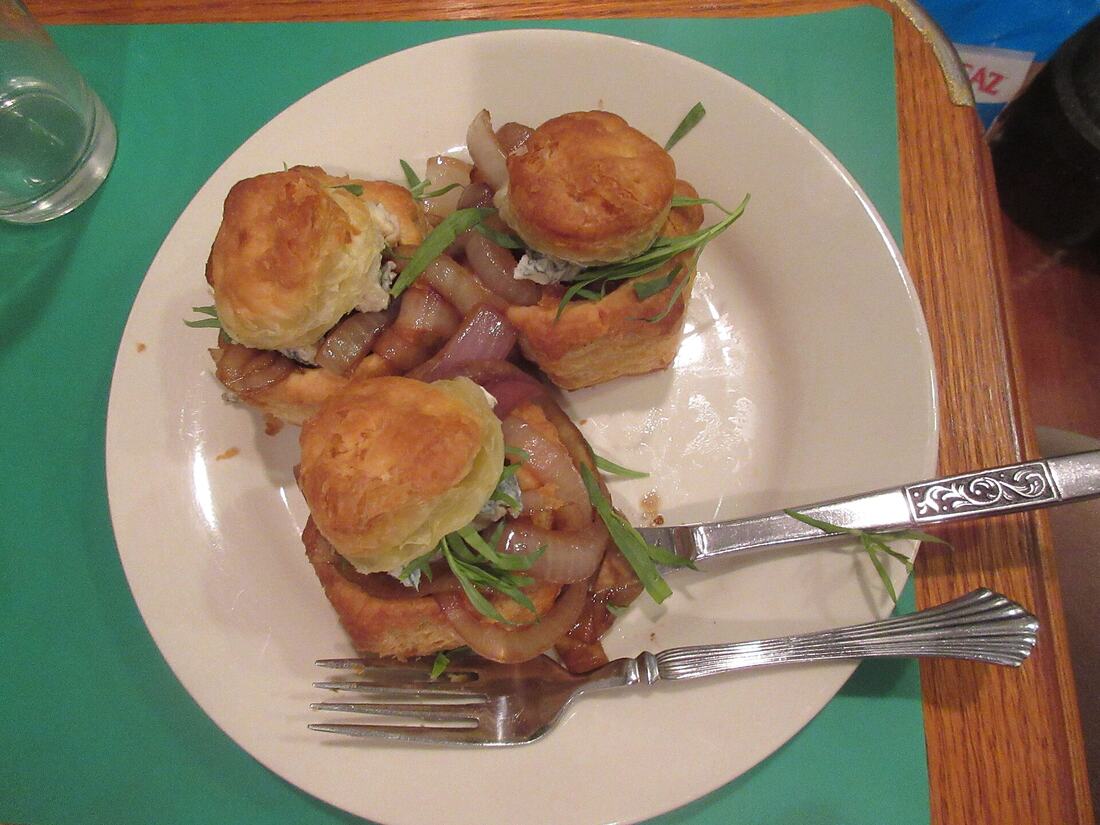
Most recipes say "caramelized onions, 15 minutes." This is a lie. What you get in 15 minutes is softened, lightly golden onions — nice, but not caramelized. True caramelized onions are deeply brown, sweet, jammy, and almost spreadable, and they take 45 to 60 minutes of patient, low heat. The good news: most of that time is unattended. The better news: once you've made them once, you'll never accept the fake version again.
Why it takes so long
Onions are mostly water. Caramelization — the browning of their natural sugars — can't begin until that water is driven off and the temperature climbs past about 320°F (160°C). Rush it with high heat and you get char and bitterness long before sweetness. Go low and slow and the sugars brown evenly into something complex and almost candy-like. There are no shortcuts here; only a hot pan pretending to be a shortcut.
The technique
- Slice, don't chop. Uniform slices cook evenly. Aim for about 1/4 inch (5mm). Thin slices dissolve into jam; chunky pieces stay distinct — pick by how you'll use them.
- Start with butter or oil over medium-low heat. Not medium. Not high. Medium-low. Add the onions, a pinch of salt (draws moisture and seasons), and walk away for 10 minutes.
- Stir occasionally, not constantly. Every 5–10 minutes, scrape the brown bits (the fond) off the bottom. The browning happens where the onion meets the hot pan; stirring too often slows it.
- Add a splash of water when it sticks. If the bottom browns too fast, a tablespoon of water deglazes and keeps things moving without losing the flavor. Repeat as needed.
- Watch the color stages. Translucent → golden → amber → deep mahogany. Stop at amber for most dishes; go to mahogany for the richest flavor. Black is burned, not caramelized — pull back.
Two honest accelerators
- A pinch of baking soda. Alkalinity speeds browning dramatically. A tiny pinch raises the pH and shaves significant time off — but use sparingly or the texture turns mushy.
- A splash of vinegar or wine near the end. A little acid brightens the sweetness and stops the browning from turning bitter. Add it in the last 5 minutes.
Make a big batch, they freeze
Caramelized onions are a condiment that lasts. Cook a mountain of them (four onions cook down to about a cup), cool, and freeze in a thin layer in a bag. Break off a chunk whenever a sandwich, soup, omelette, or pizza needs an upgrade. The effort-per-use drops to almost nothing once you've got a stash.
Need a use for your finished onions, or want to pair them with something? Chef Chat can suggest dishes built around what you've caramelized.
Photo: Caramelized onion tarts with brie and gorgonzola, Wikimedia Commons (CC BY 2.0).