
Fresh Herbs, Hard and Soft: When to Add Them for Real Flavor
Add rosemary too late and it's woody; add basil too early and it's gone. The hard-herb vs soft-herb rule tells you exactly when each belongs in the pot — and on the plate.
Adding fresh herbs at the wrong time is a common reason a dish tastes like nothing despite having herbs in it. Rosemary tossed in at the end is woody and raw; basil cooked for an hour turns black and tasteless. The fix is one simple rule: separate your herbs into hard and soft, and time them accordingly.
The hard-herb / soft-herb rule
Hard herbs are woody, sturdy, and need heat and time to release flavor: rosemary, thyme, sage, oregano, bay. Add them early, with the aromatics, so they bloom in oil or simmer into the dish. Their flavor builds and integrates; raw, they taste harsh.
Soft herbs are tender, bright, and lose their flavor to heat: basil, parsley, cilantro, mint, dill, chives, tarragon. Add them at the end, or raw on top, so their volatile aromatics survive. Cooking them long is how you turn vivid green basil into gray nothing.
When to add each
- Hard herbs, early: sweat rosemary or thyme with the onion and garlic; tie bay into a braise; drop sage into hot butter for a sauce. They need 10–60 minutes to give themselves up.
- Soft herbs, late: stir basil or cilantro in off the heat, scatter parsley over a finished plate, add dill to a soup at the table. Seconds, not hours.
- Stems vs leaves: soft-herb stems (parsley, cilantro) are often hard-ish — add the stems early for flavor, save the leaves for the finish. Waste nothing.
How to keep them alive longer
Treat soft herbs like flowers: trim the stems, stand them in a glass of water, and refrigerate (basil is the exception — keep it on the counter; cold turns it black). Hard herbs keep well wrapped in a damp towel in the fridge. Either way, wash herbs only right before you use them — wet herbs in the bag rot fast.
Dried herbs are a different ingredient, not a substitute
Drying concentrates and changes herbs. Dried oregano and thyme are genuinely useful (add even earlier than fresh; crumble to release). But dried basil or parsley are nearly pointless — they lose the very thing that makes them worth using. Keep dried hard herbs on hand; buy soft herbs fresh, or skip them.
The one-line takeaway
Hard herbs go in early and cook; soft herbs go in late and barely cook. Get that timing right and every herbed dish suddenly tastes like the herbs were actually in it.
Want a herb pairing for a specific dish? The Flavor Pairing tool suggests matches, and ask the chef can tell you where in the cooking each one belongs.
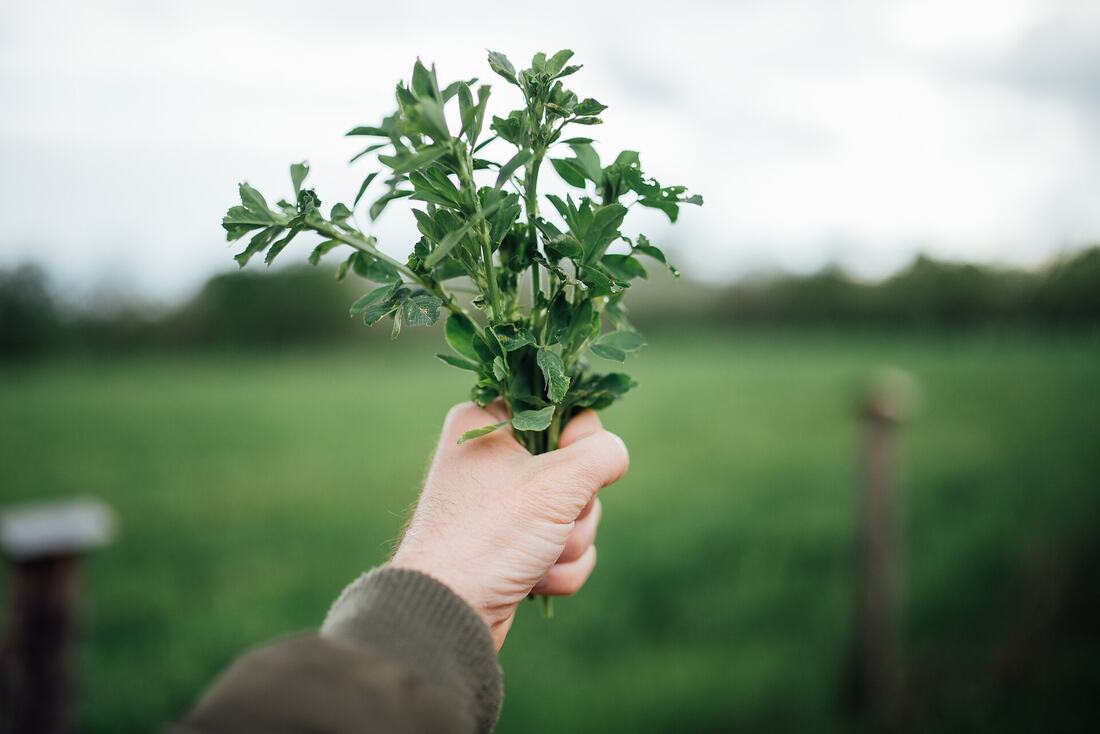
Photo: Freshly picked herbs, Wikimedia Commons (CC BY 2.0).