
Building Flavor: The Layering Technique Most Home Cooks Skip
Learn the five layering stages that turn flat dishes into complex ones. Fat, aromatics, fond, liquids, finishing — in order.
Most home cooks add all their seasoning at the beginning or the end. The result tastes flat no matter how good the ingredients are. Flavor is built in layers — each stage extracts and carries different compounds, and order matters.
This guide walks through the five layers in the order they happen in the pan. Master them and almost any dish gets deeper without adding complexity.
Why layering works
Different flavor compounds dissolve at different temperatures and in different mediums. Oil-soluble compounds (garlic, pepper, dried herbs) need fat to bloom. Water-soluble compounds (salt, sugar, acids) need liquid. Add everything at once and half the potential never develops.
Layer 1: The fat
Start every savory dish by heating fat until it shimmers. This is your extraction medium. Add dried spices and hardy herbs now — cumin, coriander, bay leaf, rosemary. Thirty to sixty seconds until fragrant. If it burns, start over. Burnt spices are bitter and cannot be fixed.
Layer 2: The aromatics
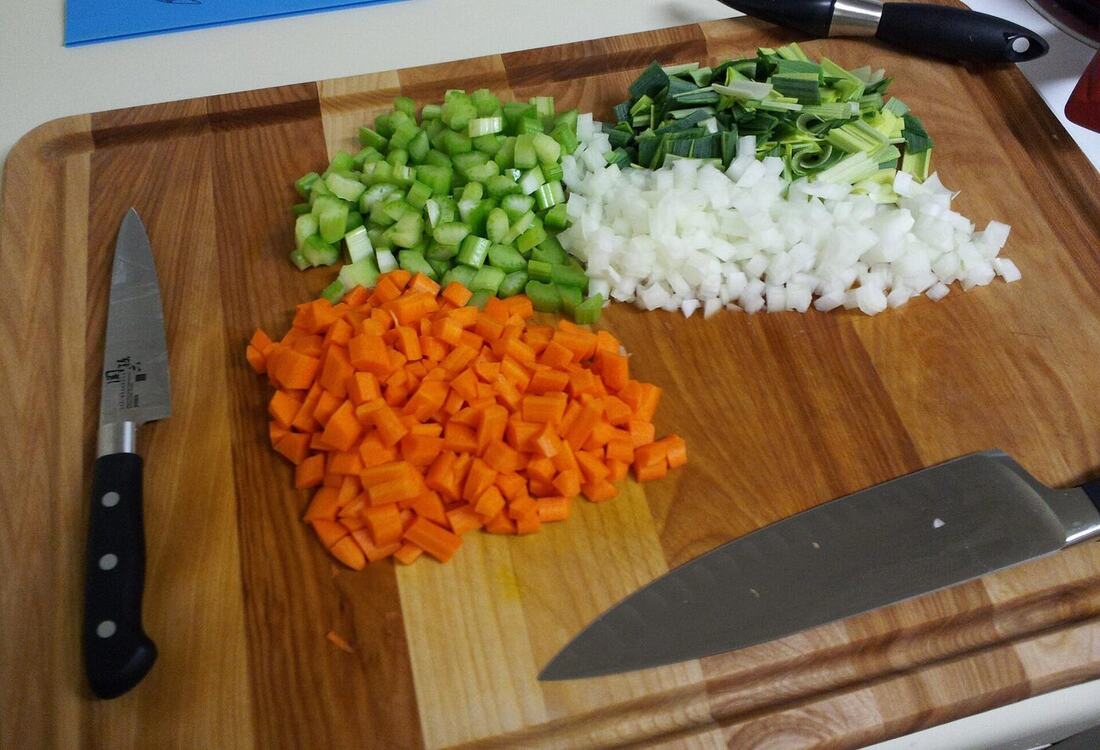
Onion first. It takes longest and adds sweetness when given time — five to eight minutes to soften, longer if you want color. Garlic goes in later because it burns in under a minute. Ginger, celery, peppers, leeks — each has its own timing. Add them in order of density, hardest first.
Layer 3: The fond
When you sear meat or caramelise vegetables, brown bits stick to the pan. That is flavour concentrate. Do not discard it. After searing, remove the protein, lower the heat, and deglaze with a small amount of liquid — stock, wine, even water. Scrape the bottom. Dissolve those bits into whatever you are building. Turning that fond into its own sauce is the whole deglazing technique, and the pan-sauce guide shows where it ends up on the plate.
Layer 4: The liquids
Sauces, stocks, canned tomatoes, coconut milk — these carry salt, umami, and acid into the body of the dish. Simmer to reduce and concentrate. This is where you adjust seasoning. Taste at this stage. If it needs more salt, add it now so it dissolves evenly.
Layer 5: The finish
Off heat or at the very end — fresh herbs, citrus juice, zest, butter, a final drizzle of good oil. These are volatile. Heat destroys them. Adding at the end keeps brightness that would otherwise cook off. This single step is what separates home cooking that tastes complete from cooking that tastes tired.
A quick example
Quarter cup olive oil in a cold pan, heat to shimmer. Add teaspoon cumin seed, thirty seconds. Onion, six minutes until soft. Garlic, forty seconds. Deglaze with half a cup white wine, scrape. Add can of tomatoes, simmer fifteen minutes. Salt to taste. Off heat: handful of fresh basil, squeeze of lemon.
That is three minutes of actual technique. Everything else is waiting. The depth difference between this and dumping everything into a cold pot is significant.
Common timing mistakes
MistakeWhat happensFix Adding garlic with onionGarlic burns and turns bitterOnion first, garlic last 60 seconds Deglazing with cold panFond sticks, steamed flavourPan must be hot, liquid should hiss Adding acid too earlyAcid mutes over long cooks, turns harshBrighten at the end unless braising Adding dried herbs at the endGritty, raw taste, no bloomBloom in fat at the start Salting only at the tableSurface salt, uneven biteSeason in layers as you buildHow this connects to the rest of the kitchen
The Cooking Reference covers the ratios that determine how much liquid to use at each stage. The Substitution tool helps when you need to swap an aromatic and want to know which layer it belongs in.
The onion family — the backbone of layer two — gets its own deep treatment in caramelized onions, and the liquids in layer four are worth choosing deliberately: stock vs broth tells you which to simmer into the pot.