
Stock vs Broth: The Difference, and Which to Actually Use
Stock and broth look alike but behave differently in the kitchen. Here's the real difference — bones vs meat, gelatin, and when each one is the better choice.
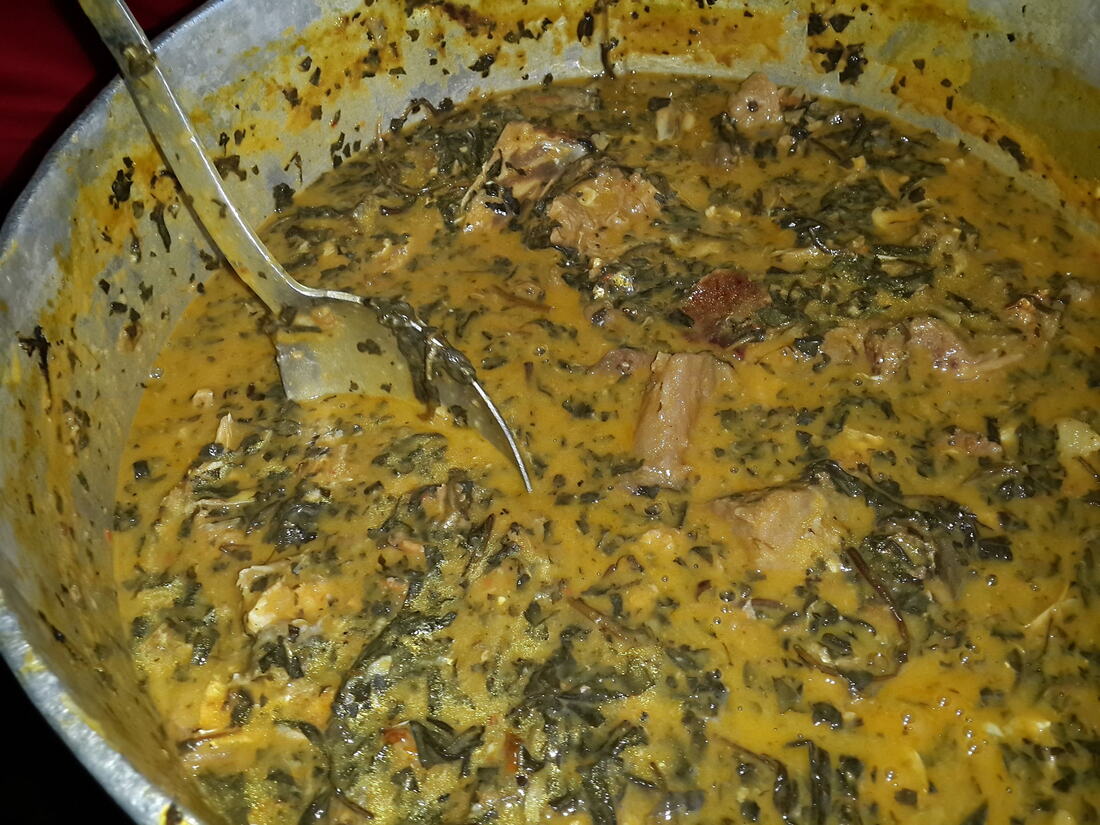
Stock and broth sit next to each other on the shelf and look identical in the pot, so most people use them interchangeably — and most of the time that's fine. But they're not the same thing, and the difference shows up the moment you reduce a sauce, chill a soup, or build a gravy. Knowing which is which makes your cooking behave the way you expect.
The real difference: bones vs meat
- Stock is made from bones. Simmered long (4–6 hours, often more), it draws gelatin and minerals from the bones and connective tissue. The result is rich, neutral, and — the tell — it gels when cold. That gelatin is what gives sauces body and mouthfeel.
- Broth is made from meat. Simmered shorter (under 2 hours), it's lighter, more flavorful on its own, and stays liquid when cold. It's seasoned and drinkable as-is; stock usually isn't.
The shorthand: stock is for building (body and structure), broth is for sipping (flavor and comfort). Both are good; they just do different jobs.
When to use which
- Reducing into a sauce or gravy: stock. Its gelatin thickens as it reduces, giving a glossy, clinging sauce. Broth reduces thin and stays watery.
- Soup where the liquid is the star (chicken noodle, pho broth): broth, or a well-seasoned stock. You're drinking it, so it should taste good on its own.
- Braising or cooking grains (risotto, pilaf): stock, for body and depth that absorbs into the food.
- Sipping when you're sick: broth. It's already seasoned and gentle.
Can you substitute one for the other?
Yes, in most home cooking, with two caveats. If you substitute broth where a recipe wants the body of stock (a pan sauce, a glaze), the result will be thinner — simmer it a little longer, or add a touch of gelatin if you keep it. If you substitute stock for broth in a soup, you'll likely need to season it more, since stock is intentionally under-salted so you can control the final dish. Taste and adjust.
Make your own — it's almost free
Save bones (chicken carcasses, beef bones, shrimp shells) and scraps (onion ends, carrot peels, herb stems) in a bag in the freezer. When it's full, cover with water, simmer a few hours for broth or longer for stock, strain, and freeze. It costs almost nothing, tastes better than any box, and lets you control the salt. A well-stocked freezer of homemade stock quietly upgrades every soup, braise, and sauce you make.
For ratios when scaling a stock-based recipe, the recipe scaler handles the math, and ask the chef can suggest what to cook with whatever stock you've made.
Photo: Soup in a pot, Wikimedia Commons (CC BY-SA 4.0).