
The Weeknight Stir-Fry System: 20 Minutes, No Recipe Needed
Stir-fry is prep-then-cook: 15 minutes of chopping, 5 minutes of heat. Here's the exact order of operations that makes it work without a recipe.
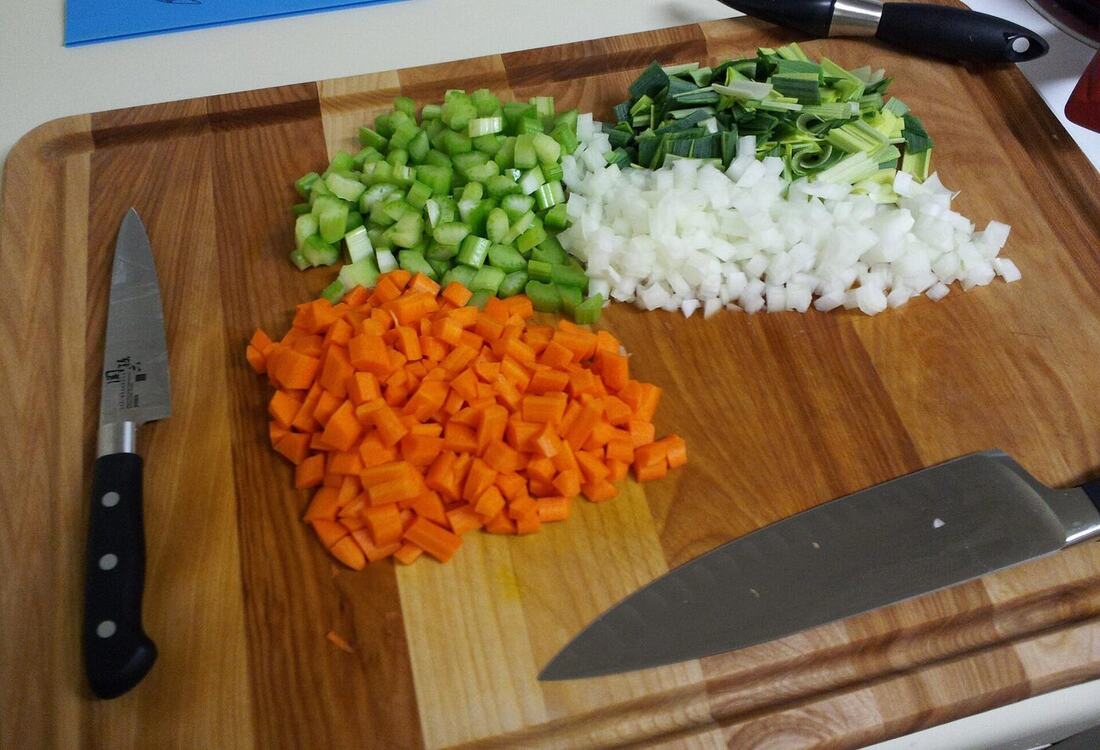
The Weeknight Stir-Fry System: 20 Minutes, No Recipe Needed
Stir-fry looks like chaos but is actually the most structured way to cook: everything is prepared before anything touches heat, and the cooking itself takes under five minutes. That's why it's the perfect weeknight meal — and why it fails when you try to chop while the pan is smoking. Here's the system.
The Structure: Prep Then Cook
A stir-fry is two phases. Phase one is prep (10-15 minutes, no heat). Phase two is cooking (3-5 minutes, all heat). If you're still chopping during phase two, you've broken the system.
Phase 1: The Lineup
- Protein (chicken, beef, tofu, shrimp): sliced thin and uniform — thin cooks fast and evenly. Pat it dry; wet protein steams instead of sears.
- Aromatics: garlic and ginger, minced. They cook in seconds, so they go in last.
- Hard vegetables (broccoli, carrots, peppers, snow peas): cut into bite-size pieces. They need the most heat time.
- Tender vegetables (spinach, bean sprouts, scallions): added at the end; they barely need cooking.
- Sauce: mixed in a small bowl before you start — soy sauce, a little sugar or honey, rice vinegar or citrus, cornstarch slurry (1 tsp cornstarch + 2 tbsp cold water) if you want a glossy sauce. Never pour five bottles into a hot wok.
Phase 2: The Order of Operations
- Heat the wok (or the largest skillet you have) until it's smoking-hot. Add a tablespoon of oil with a high smoke point — peanut, canola, or avocado.
- Protein first, in one layer. Let it sit and brown for a minute before moving it; then stir-fry until just cooked through and remove it to a plate. Cooking it in batches avoids steaming.
- Hard vegetables next. Stir-fry 2-3 minutes, keeping them moving, until they're bright and crisp-tender. If the pan goes dry, add a splash of water — the steam helps cook without burning.
- Aromatics (garlic, ginger) — 20-30 seconds, until fragrant, then immediately add the sauce.
- Sauce, then protein back in. Stir until the sauce coats everything and thickens, 30-60 seconds.
- Tender vegetables and herbs at the very end; toss and serve over rice or noodles.
The Three Rules That Matter Most
1. High heat, small batches. A crowded pan drops temperature and the food stews. Cook in batches if you have to — it's faster than it seems.
2. Cut everything the same size. A stir-fry is done when everything is done. Uneven cuts mean some pieces are raw and some are overcooked.
3. Sauce ingredients in a bowl before you start. This one rule is the difference between a 5-minute dinner and a frantic one.
Six Combinations That Work Every Time
ProteinVegetablesSauce ChickenBroccoli, carrotSoy, ginger, garlic, honey BeefPeppers, onion, snow peasSoy, oyster sauce, garlic TofuBroccoli, mushrooms, spinachSoy, sesame, chili ShrimpZucchini, bell pepper, scallionsGarlic, ginger, lime, fish sauce PorkCabbage, carrot, mushroomSoy, rice vinegar, five-spice EggRice, peas, scallionsSoy, sesameMake It a Pantry Habit
Once the system is in your head, a stir-fry is whatever protein and vegetables you have — no recipe lookup required. And if you tell the chef chat what you've got in the fridge, it'll turn your exact list into this structure with quantities and timings in about ten seconds.