
The Only Temperature Guide You Need: Safe Internal Temps for Every Protein
Quick-reference internal temps for chicken, beef, pork, lamb, fish, eggs, plus carryover and resting rules.
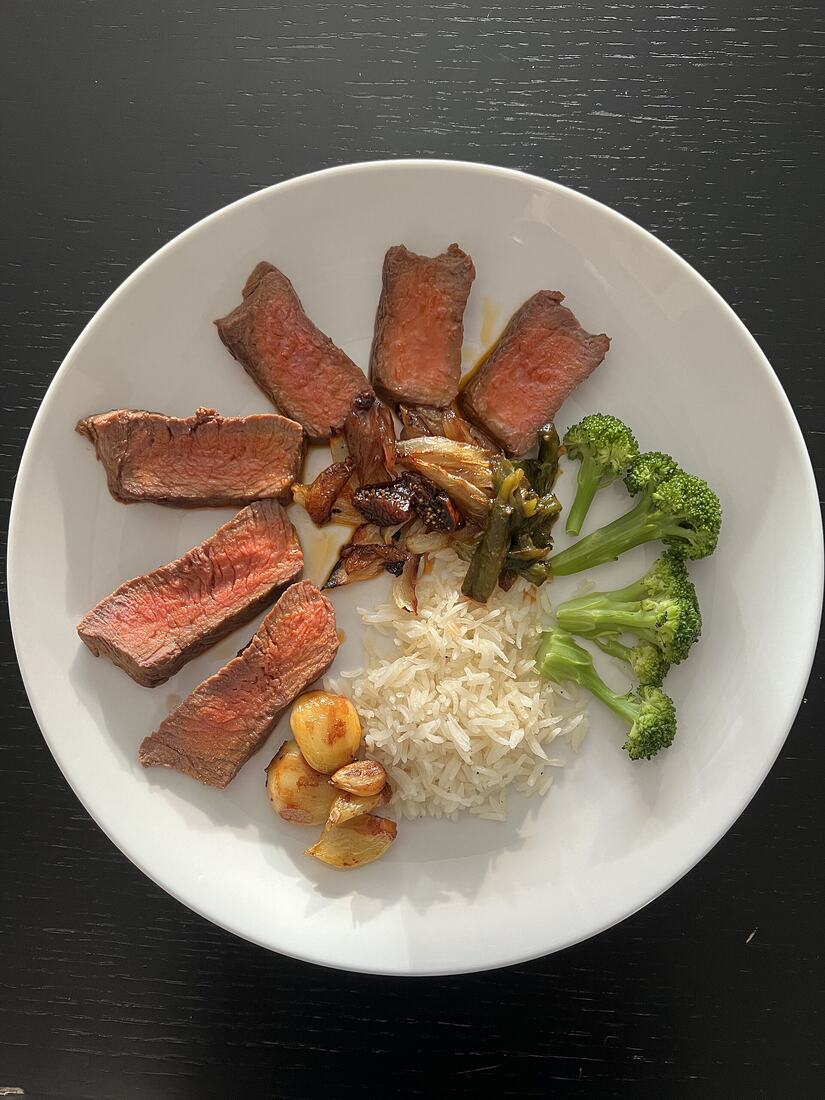
The difference between juicy and dry usually comes down to five degrees and a minute of patience. This guide gives you the safe internal temperatures for every common protein, the carryover rules that finish cooking for you, and the resting times that keep meat from bleeding out on the board.
Bookmark this page. You will reference it more than almost any recipe.
Why thermometers beat every old trick
Pressing meat to see if it feels firm. Cutting into it to check the color. Timing everything by the clock. Every method except a thermometer lies to you regularly.
- Color is unreliable. Pink chicken can be fully cooked. Brown chicken can still be raw inside.
- Timers assume too much. Your oven runs 15 degrees hot or cold. Your steak is a different thickness than the recipe writer assumed.
- A ten-dollar instant-read thermometer removes every variable except the one that actually matters: what temperature the inside reached.
Safe minimum internal temperatures (USDA)
ProteinSafe temperatureNotes Ground meat (beef, pork, lamb, turkey)160 FGrinding spreads surface bacteria through Ground chicken or turkey165 FPoultry ground is higher risk than beef ground Steaks and roasts (beef, lamb, veal)145 FPlus 3 minute rest. Medium-rare. Pork chops and roasts145 FPlus 3 minute rest. Slightly pink is safe. Chicken breast165 FPull at 155 to 160 and let carryover finish. Whole chicken or turkey165 FThickest part of thigh. Chicken thighs and legs165 FDark meat is more forgiving. Great at 175 to 180 for shredding. Fish (salmon, cod, tuna steaks)145 FFlesh flakes easily. Shrimp, lobster, scallopsOpaque and firmCook until flesh loses translucence. Eggs and egg dishes160 FCasseroles and quiches throughout.Carryover cooking
When you pull meat off heat, the outside is hotter than the inside. That heat migrates inward and raises the core temperature 5 to 15 degrees. Pull large cuts 5 degrees below target and let carryover finish the job.
CutExpected carryoverPull at Chicken breast (6 to 8 oz)5 to 8 F157 to 160 F Steak (1 to 1.5 inches)5 F140 F for medium-rare Pork tenderloin5 to 10 F135 to 140 F Whole chicken (4 to 5 lbs)5 to 10 F155 to 160 F in thigh Large beef roast (3 lbs plus)10 to 15 F130 to 135 F for medium-rareResting: the step people skip
Muscle fibers contract when hot, squeezing out juice. Resting lets them relax and reabsorb liquid.
- Steaks and chops: 5 to 8 minutes tented with foil.
- Roasts: 10 to 20 minutes.
- Whole poultry: 15 to 30 minutes.
- Chicken pieces: 3 to 5 minutes is enough.
Three rules you actually need
- Insert the probe into the thickest part. Not near bone, not into fat.
- Check the coldest spot. A whole bird means the thigh joint, not the breast tip.
- Sanitize your thermometer between probes. Raw chicken juice on the probe causes cross-contamination.
Useful companions
The Cooking Reference tables include oven and unit conversions. The Recipe Cost Calculator helps you price a per-gram protein spend.
The three steps this page keeps referencing — pull early, rest, check the coldest spot — are each worth their own guide: why resting works, roasting a whole bird to temperature, and cooking fish by feel and time. And when a breast comes out dry anyway, why your chicken is dry diagnoses it.