
Deglazing: The 30-Second Technique That Turns Brown Bits Into Sauce
Those dark bits stuck to the pan after searing are pure flavor, not mess. Deglazing dissolves them into an instant pan sauce. Here's the exact 30-second move.
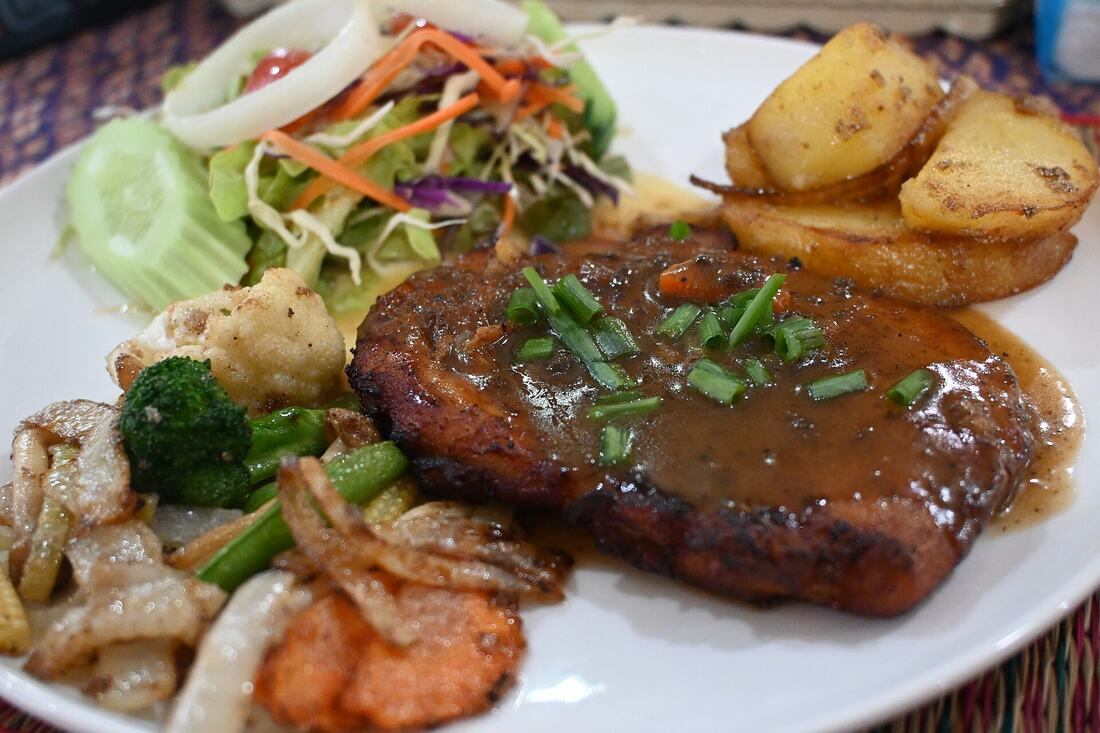
After you sear a steak or sauté chicken, the pan is left with dark, stuck-on bits. Most people scrub them off and lose them down the drain. Those bits — the French call them the fond — are concentrated, caramelized flavor. Deglazing dissolves them into liquid in about 30 seconds, and you've got the base of a pan sauce for almost free. It is the highest flavor-to-effort ratio in cooking.
The technique (4 steps)
- Pour off excess fat from the still-hot pan, leaving about a tablespoon and the browned bits behind.
- Add liquid — wine, stock, vinegar, even water. It will hiss and steam. Use enough to just cover the bottom, about 1/4 cup (60ml).
- Scrape the fond with a wooden spoon or spatula as the liquid simmers. The browned bits lift off the metal and dissolve into the liquid, turning it dark and glossy.
- Reduce by half, then finish off the heat with a knob of cold butter, swirled in to thicken and gloss the sauce. Season, pour over the meat, done.
What liquid to use
- Wine (red or white): classic, adds acidity and depth. Let the alcohol cook off for a few seconds before reducing.
- Stock (chicken, beef, vegetable): all-purpose, builds body without sharpness.
- Vinegar or lemon juice: bright, quick — use less, and balance with butter.
- Water: works in a pinch, but gives a thinner, less complex sauce. Better than nothing.
- Combos are best: a splash of wine to deglaze, then stock to build volume.
Why the butter matters
That final swirl of cold butter off the heat is called monter au beurre. The butterfat emulsifies into the reduced liquid, making a glossy, slightly thickened sauce that clings to the meat instead of pooling. It's the difference between "pan liquid" and "pan sauce." Don't skip it, and don't let it boil after — it'll split.
Two things to avoid
- Don't deglaze a nonstick pan for sauce — the fond barely forms there, and some coatings dislike deglazing. Use stainless or cast iron for real pan sauces.
- Don't let the fond go black. Dark brown = flavor. Black = bitter and acrid. If the pan's over-browned, wipe it out and start the sauce fresh rather than building on burnt bits.
Once you can deglaze, every seared piece of meat comes with a free sauce. Want flavor ideas for a pan sauce built on what you just cooked? Try the Flavor Pairing tool or ask the chef for a pairing that fits your protein.
Photo: Grilled steak with savory brown gravy, Wikimedia Commons (CC BY-SA 4.0).