
Umami: The Fifth Taste and How to Actually Use It in Home Cooking
Umami is the savory fifth taste. Most home kitchens underuse it. This practical breakdown covers what umami is, which ingredients deliver it, and how to layer it into everyday cooking without specialty products.
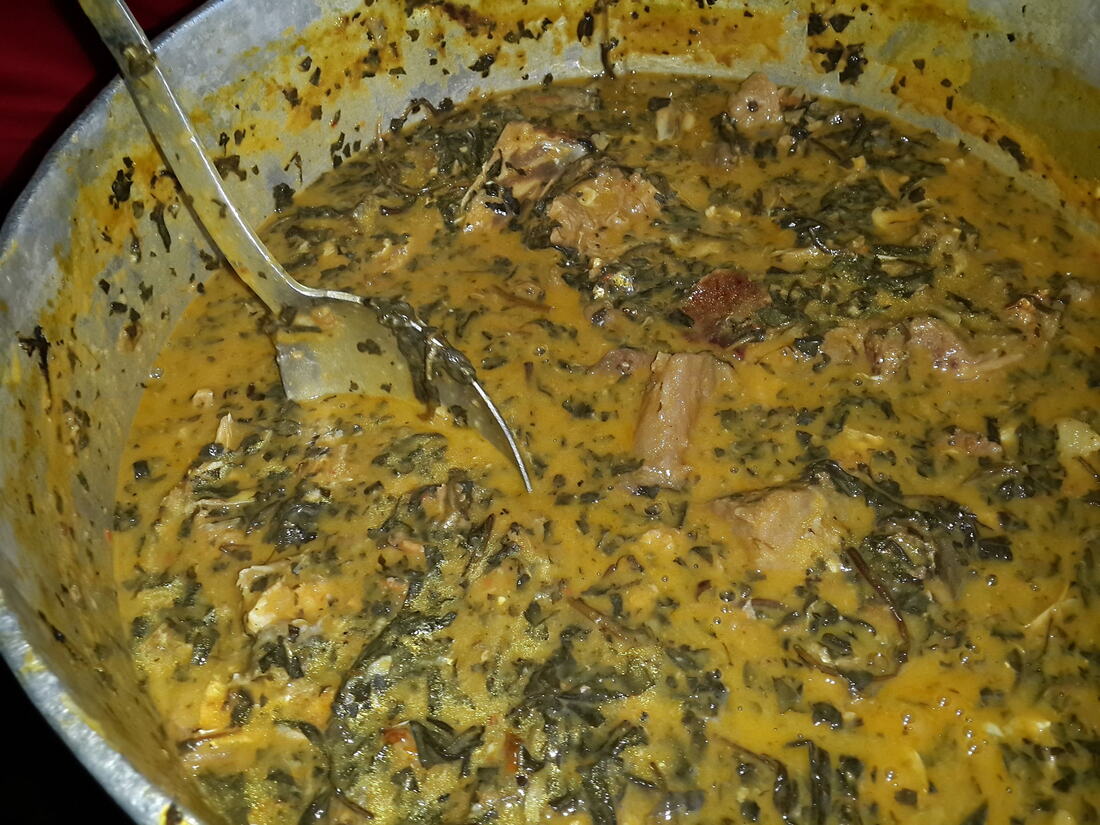
Chefs talk about umami constantly and most home cooks nod along without actually using it well. It's treated as a fancy word for \"tastes good.\" It isn't. The fifth taste is a specific glutamte signal your tongue detects, and once you learn to reach for it deliberately, your cooking changes quietly and permanently.
\n\nThis is a practical guide — not a chemistry lecture. What umami is, which specific ingredients deliver it in home kitchens, and how to use it to make food taste more like itself.
\n\nWhat Umami Actually Is
\n\nIn 1908, Japanese chemist Ikeda Kikunae isolated monosodium glutamate (glutamate) from kombu seaweed broth and identified a fifth basic taste distinct from sweet, sour, bitter, and salty. In 2002, scientists located specific glutamate receptors on the human tongue, confirming umami as a real biological mechanism.
\n\nThe technical definition: umami is the taste of L-glutamate, an amino acid released when proteins break down. Foods where protein has been broken down by cooking, aging, fermentation, or drying tend to be rich in free glutamate.
\n\nThe Umami Ingredient Ladder for Home Cooks
\n\nTier 1: Everyday Staples (use weekly)
\n\n- \n
- Tomato paste — higher in free glutamate than fresh tomatoes. One tablespoon, sweat in oil before adding liquid, adds savory depth to sauces, stews, braises. \n
- Soy sauce or tamari — adds salt and umami simultaneously. About 1,000-1,500 mg glutamate per tablespoon. \n
- Parmesan and aged cheeses — the crystalline crunch in Parmigiano is literally glutamate. Finish pasta with grated rind; add rind halves to simmering broth. \n
- Mushrooms, especially dried shiitake — dried shiitake deliver 10x the glutamate of fresh. Keep in pantry at all times. Reconstitute in warm water (30 minutes); the soaking liquid is umami gold for stocks and risottos. \n
Tier 2: Occasional Power-ups (use monthly)
\n\n- \n
- Fish sauce — anchovies fermented in salt. Smells intense; cooks clean. Adds savory-but-not-fishy depth. Use small amounts (1 teaspoon) early in cooking. \n
- Miso paste — fermented soybean paste. White miso for dressings and sauces; red miso for braises and glazes. \n
- Worcestershire sauce — anchovies, tamarind, vinegar, molasses, garlic. Adds compound savory-sour-sweet-salt. \n
- Canned anchovies — melt into hot olive oil at the start of a sauce; they dissolve completely. Don't tell people they're in there. \n
Tier 3: Special Occasions
\n\n- \n
- Kombu (dried kelp) — wipe, don't wash (glutamate sits on surface). Simmer in water 10 minutes to make dashi, the umami backbone of Japanese cooking. \n
- Katsuobushi (dried bonito flakes) — add to kombu dashi off heat. Strain after 5 minutes for full-grade dashi. \n
- Balsamic vinegar (aged 12+ years) — fermentation and aging drive up glutamate. Real aged balsamic deserves its price and pairs with strawberries, Parmigiano, and vanilla ice cream. \n
The Umami Multiplier Effect
\n\nGlutamate isn't the only umami compound. Nucleotides (inosinate and guanylate) amplify glutamate's signal 8-16x when combined. Specific ingredient pairs are exponentially more powerful than either alone.
\n\n\n \n Glutamate SourceNucleotide SourceWhere You'll Find the Combo\n \n \n Tomato, ParmesanBeef, chickenBolognese, meaty pasta sauce\n Kombu (guanylate)Katsuobushi (inosinate)Full dashi broth\n Dried shiitakePorkChinese red-braised pork belly\n Tomato paste, soy sauceShrimp shellsThai curry paste base\n \n\n\nFive Practical Applications This Week
\n\n1. Bolognese That Tastes Like It Simmered All Day
\nSauté 1 tablespoon tomato paste in olive oil until it deepens in color (about 1 minute). Add ground beef. Soy sauce at the deglaze stage instead of salt. A Parmesan rind in the sauce during the last hour. Layered umami, none identifiable individually.
\n\n2. Mushroom-y Oatmeal or Grain Bowl
\n\nReconstitute dried shiitake. Chop caps fine and sauté with onions. Add to your grain of choice. Top with soy sauce, a fried egg, chili crisp. Savory breakfast that tastes intentional.
\n\n3. The Weeknight Soup That Tastes Like Broth
\nBone broth or chicken stock. Add a Parmesan rind half, 2 dried shiitake (whole), 1 tablespoon tomato paste, 1 teaspoon fish sauce. Simmer 30 minutes. Remove rind and mushrooms. Your soup base now has a depth that would otherwise require hours of reduction.
\n\n4. Braised Anything Is Better With This
\nWhatever protein you braise — chicken thighs, pork shoulder, tough beef cuts — add tomato paste (1 tbsp), soy sauce (1 tbsp), or a splash of fish sauce to the liquid. This compounds during cooking and by the time it's done, the sauce has a depth that reads like effort but wasn't.
\n\nThe Two Umami Mistakes Home Cooks Make
\n\nUse MSG as a tool
\nThe anti-MSG mythology is rooted in anti-Asian restaurant panic from a 1968 letter with no reproducible evidence. It has been debunked by the FDA, EU food safety bodies, and multiple double-blind studies. In practical terms: MSG works exactly like salt. Start low (¼ tsp per serving). You'll notice food tastes rounder, more savory. Overdo it and it tastes chemical. The ceiling is real. Stay under it.
\n\nChasing umami alone
\nUmami without acid is cloying. Without salt it's muddy. The mistake most people make who discover umami is they soy-sauce everything and wonder why Thursday's stir-fry tasted flat. The fix is balance: for every savory push, balance with acid (citrus, vinegar) and texture. A tomato sauce with Parmesan and soy sauce still needs lemon juice at the table.
Try the Flavor Pairing Compass
The Flavor Pairing Compass maps which ingredients amplify umami and which cut through it. Pick any ingredient — mushrooms, tomatoes, aged cheese — and it shows you complementary and contrasting partners with strength ratings. Useful when you want to build depth without reaching for the soy sauce bottle.