
Seasonal Eating on a Budget: What to Buy and When in 2026
What is actually in season each month, why it matters for cost and flavor, and how to build meals around what is abundant.
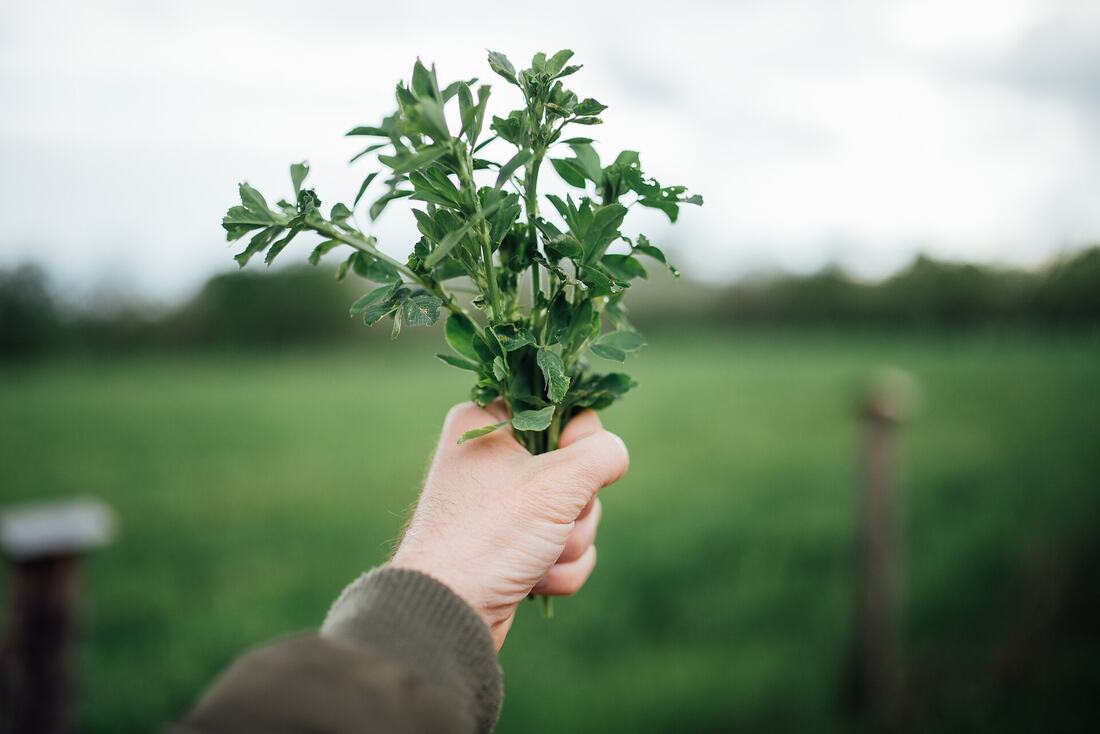
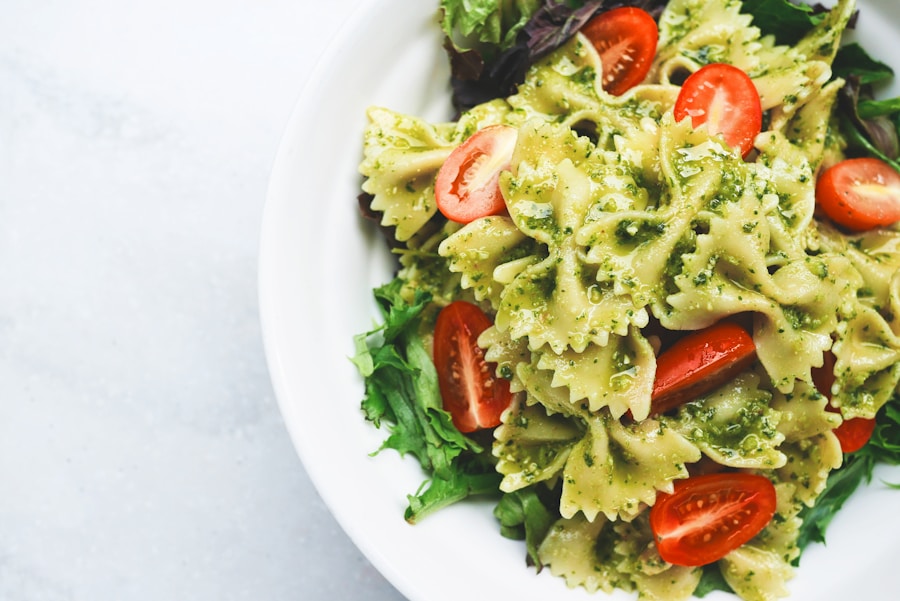
Seasonal produce costs less, tastes better, and arrives with some actual life left in it. But knowing what grows when is harder with modern supermarkets offering strawberries and asparagus every month of the year. Here is a practical monthly guide for 2026.
The pattern: buy heavy during a food's peak weeks when supply is high. Supplement with frozen during gaps. Root vegetables (carrots, beets, potatoes, onions) store for weeks without refrigeration and bridge most shortages.
Spring (March–May): The Light Flavors
In season and cheap: asparagus, peas, fava beans, radishes, spring onions, artichokes, lemons at their peak, rhubarb, strawberries starting late April, watercress, baby spinach, green garlic.
Cook this: Asparagus with lemon-tahini sauce and toasted almonds. Pea and mint risotto. Radish butter toasts (slice radishes thin, salt, rest 10 minutes, pile on buttered sourdough). Fava bean salad with lemon, olive oil, mint.
Early Summer (June): Transition Month
In season and cheap: strawberries at their peak, cherries, zucchini begins, cucumber, snap peas, new potatoes, herbs coming in heavy (basil, mint, dill, chives), green beans, apricots starting.
Cook this: zucchini ribbons (use a peeler, serve raw with lemon, parmesan, olive oil). Cucumber and yogurt salad with garlic and dill. Snap pea stir-fry with soy sauce and sesame oil. Strawberry and basil bruschetta.
Peak Summer (July–August): Abundance
In season and cheap: tomatoes (finally worth eating raw), zucchini in waves, eggplant, bell peppers, corn, cucumbers, stone fruit (peaches, plums, nectarines, cherries), melons, okra, green beans, fresh herbs in massive quantities.
Cook this: Gazpacho (use only ripe tomatoes — underripe tomatoes ruin this dish). Caprese salad with mozzarella and tomatoes worth the name. Ratatouille (sounds fancy, actually just slow-simmered vegetables). Grilled corn with lime and chili. Stone fruit galette or crumble.
The challenge in summer is volume. You will cook one meal and generate leftovers. Use abundant herbs (basil, mint, parsley, dill) in large quantities — they are cheap right now. Make pesto, chimichurri, and herb sauces in batches and freeze.
Autumn (September–October): The Hearty Shift
In season and cheap: apples, pears, winter squash (butternut, acorn, delicata, pumpkin), Brussels sprouts, kale coming in, cauliflower, broccoli, cabbage, cranberries, mushrooms in wild varieties, sweet potatoes.
Cook this: Roasted winter squash with tahini and pomegranate seeds. Kale salad massaged with lemon and olive oil (massage for 2 minutes — cuts bitterness and toughness). Cabbage braised with apples and caraway seeds. Mushroom risotto with dried porcini. Cauliflower roasted whole or roasted in slabs as a steak substitute.
Winter (November–February): Storage and Roots
In season and cheap: cabbage, carrots, beets, parsnips, celery root, leeks, kale, Brussels sprouts through January, apples (stored), pears (stored), citrus at its affordable peak (oranges, grapefruit, mandarins, lemons, limes, blood oranges in late winter).
Cook this: braised cabbage with sausage and apples. Beet and citrus salad with walnuts. Carrot soup with ginger and coconut milk. Parsnip and potato mash. Celery root remoulade (grated celery root in mustard-mayonnaise).
Why This Matters for Cost
Out-of-season produce costs two to four times more than in-season versions for simple reasons: supply chains stretch across hemispheres, storage degrades quality, food arrives underripe to survive travel, and you pay more for food that tastes less interesting.
A pint of strawberries in July might cost $2.50 and actually taste like a strawberry. The same pint in January might cost $5 and taste like cold wet nothing. Seasonal produce wins on budget and flavor simultaneously.
The Realistic Approach
You do not need to eliminate all out-of-season food. Bananas, avocados, and oranges in winter are fine — they have actual quality year-round. But tomatoes, strawberries, stone fruit, peas, and asparagus are worth waiting for. Months of anticipation creates better eating than having everything available with zero urgency.
Build Your Week Around the Abundant Item
When you find something at peak (July tomatoes, October squash, November citrus), buy more than you need for one meal. Plan two meals around it at slightly higher volume. Freeze the surplus — diced and blanched vegetables, sliced fruit, even whole tomatoes. You build a freezer reserve of seasonal quality to pull from in leaner months. This is the pattern of a kitchen that actually cooks.
What is your favorite seasonal ingredient right now? Tell us what is showing up at your market.